

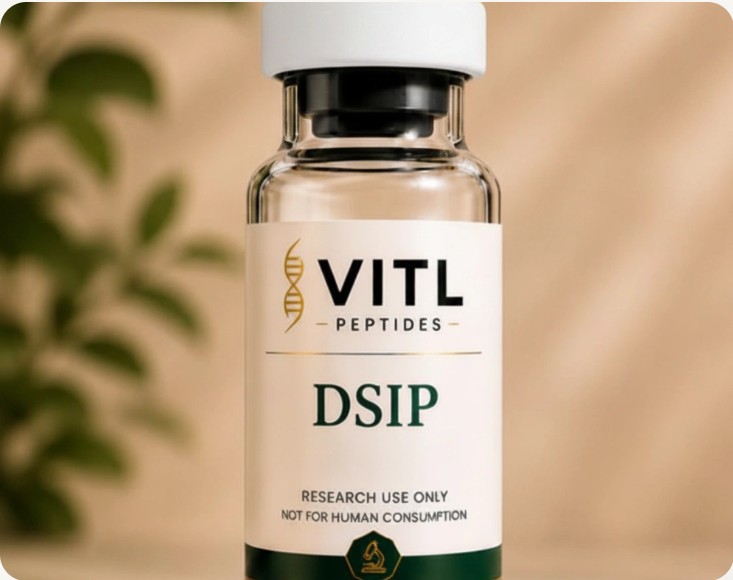
DSIP: A Comprehensive Guide to Uses, Research, Dosing, Forms, and Potential Benefits

DSIP: A Comprehensive Guide to Uses, Research, Dosing, Forms, and Potential Benefits DSIP, short for Delta Sleep-Inducing Peptide, is an experimental peptide that has been studied primarily for its possible effects on sleep, circadian rhythms, stress responses, pain, neuroendocrine function, and withdrawal symptoms. Unlike many recently popular research peptides, DSIP is not new. It was […]

Continue Reading
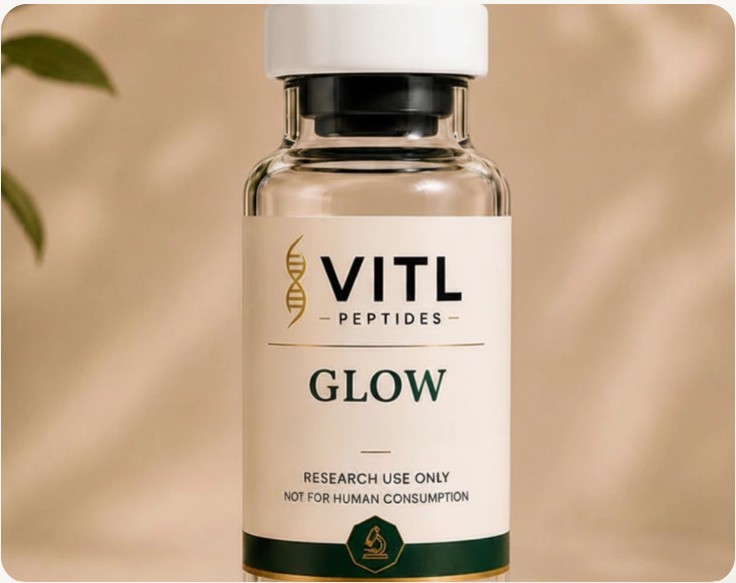
GLOW Peptide Blend: A Comprehensive Guide to Components, Uses, Research, Dosing Information, Forms, and Potential Benefits

The GLOW peptide blend has become increasingly popular in peptide research because it combines several compounds associated with skin remodeling, collagen production, wound healing, tissue repair, hair-related research, and recovery. Unlike compounds such as BPC-157, semaglutide, or CJC-1295, however, GLOW is not a single peptide. “GLOW” is a commercial or research-market name used for a […]

Continue Reading

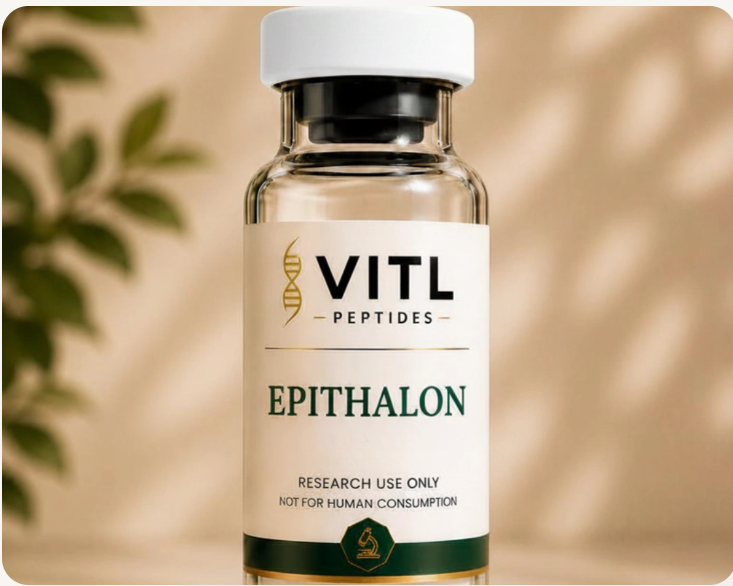
Epithalon: A Comprehensive Guide to Uses, Research, Dosing, Forms, and Potential Benefits

Epithalon, also commonly spelled Epitalon, is an experimental peptide that has attracted attention primarily because of research involving telomeres, telomerase, cellular aging, melatonin production, circadian rhythms, and longevity. Unlike many metabolic or growth-hormone-related peptides, Epithalon is extremely small. It consists of only four amino acids: Ala-Glu-Asp-Gly or AEDG. That makes it a tetrapeptide. Epithalon was […]

Continue Reading

Tirzepatide: A Comprehensive Guide to Uses, Research, Dosing, Forms, and Potential Benefits

Tirzepatide is one of the most important medications to emerge in modern metabolic medicine. It is a once-weekly injectable peptide-based medication that activates two hormone receptors involved in blood sugar control, appetite, and body weight: GIP — glucose-dependent insulinotropic polypeptide and GLP-1 — glucagon-like peptide-1. Because it targets both receptors simultaneously, tirzepatide is commonly described […]

Continue Reading

Hexarelin: A Comprehensive Guide to Uses, Research, Dosing, Forms, and Potential Benefits

Hexarelin is a synthetic peptide best known for its ability to stimulate the release of growth hormone, or GH, through the ghrelin/growth hormone secretagogue receptor pathway. It belongs to a class of compounds called growth hormone secretagogues, or GHSs. These compounds do not supply growth hormone directly. Instead, they stimulate the body’s own pituitary gland […]

Continue Reading

IGF-1 LR3: A Comprehensive Guide to Uses, Research, Dosing, Forms, and Potential Benefits

IGF-1 LR3, also known as Long R3 IGF-I or Long [Arg3] IGF-I, is a laboratory-engineered analogue of insulin-like growth factor 1, or IGF-1. It is commonly discussed in research involving: cell growth protein synthesis muscle biology tissue growth metabolic signaling recovery and the broader growth hormone–IGF-1 axis. IGF-1 LR3 is fundamentally different from peptides such […]

Continue Reading

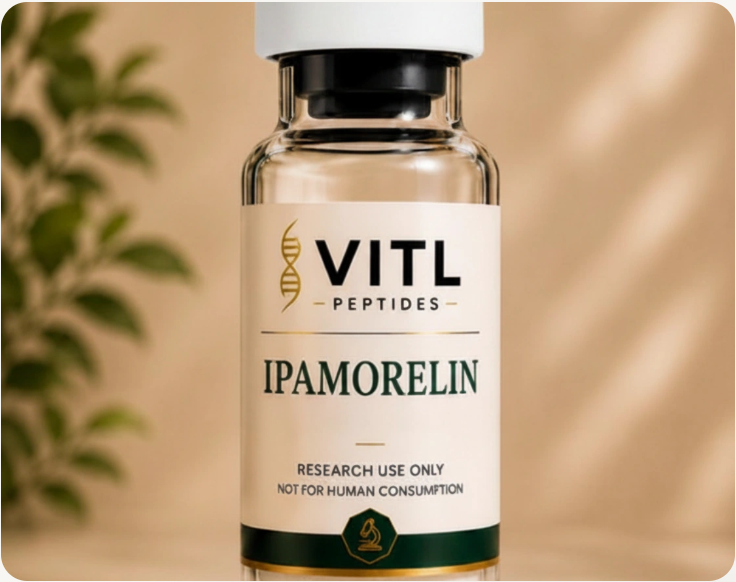
Ipamorelin: A Comprehensive Guide to Uses, Research, Dosing, Forms, and Potential Benefits

Ipamorelin is a synthetic peptide best known for its ability to stimulate the body’s own release of growth hormone, or GH. It belongs to a class of compounds known as growth hormone secretagogues, meaning that instead of supplying growth hormone directly, the peptide activates receptors involved in signaling the pituitary gland to release endogenous GH. […]

Continue Reading

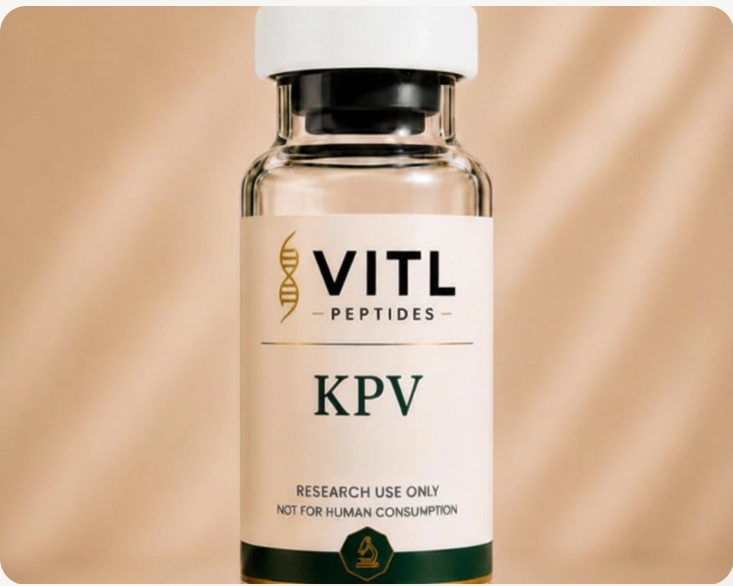
KPV: A Comprehensive Guide to Uses, Research, Dosing, Forms, and Potential Benefits

KPV is a short experimental peptide that has attracted growing interest because of research involving inflammation, gastrointestinal health, skin conditions, immune signaling, wound healing, and antimicrobial activity. KPV is especially unusual because it is extremely small. It consists of only three amino acids: Lysine – Proline – Valine or simply: KPV. The peptide is derived […]

Continue Reading