

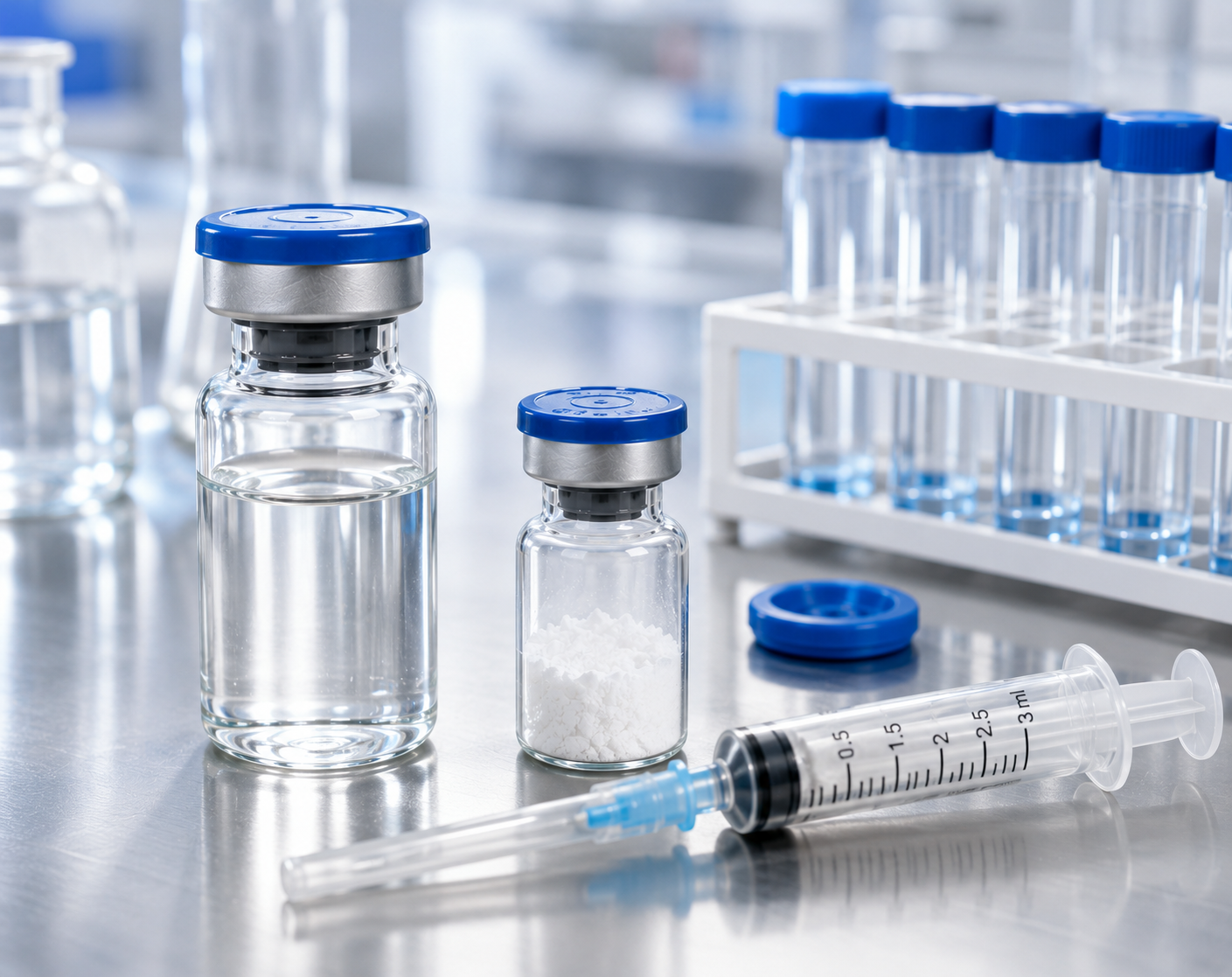
Sterile Laboratory Vials and Syringe

Bacteriostatic Water for Peptides: A Lab Protocol Guide

When working with lyophilized peptides in a laboratory setting, researchers frequently encounter another product alongside the peptide vial: bacteriostatic water. Bacteriostatic water is a sterile preparation of water containing a small amount of antimicrobial preservative. In the United States, commercially manufactured Bacteriostatic Water for Injection typically contains 0.9% benzyl alcohol as the bacteriostatic preservative. DailyMed […]

Continue Reading
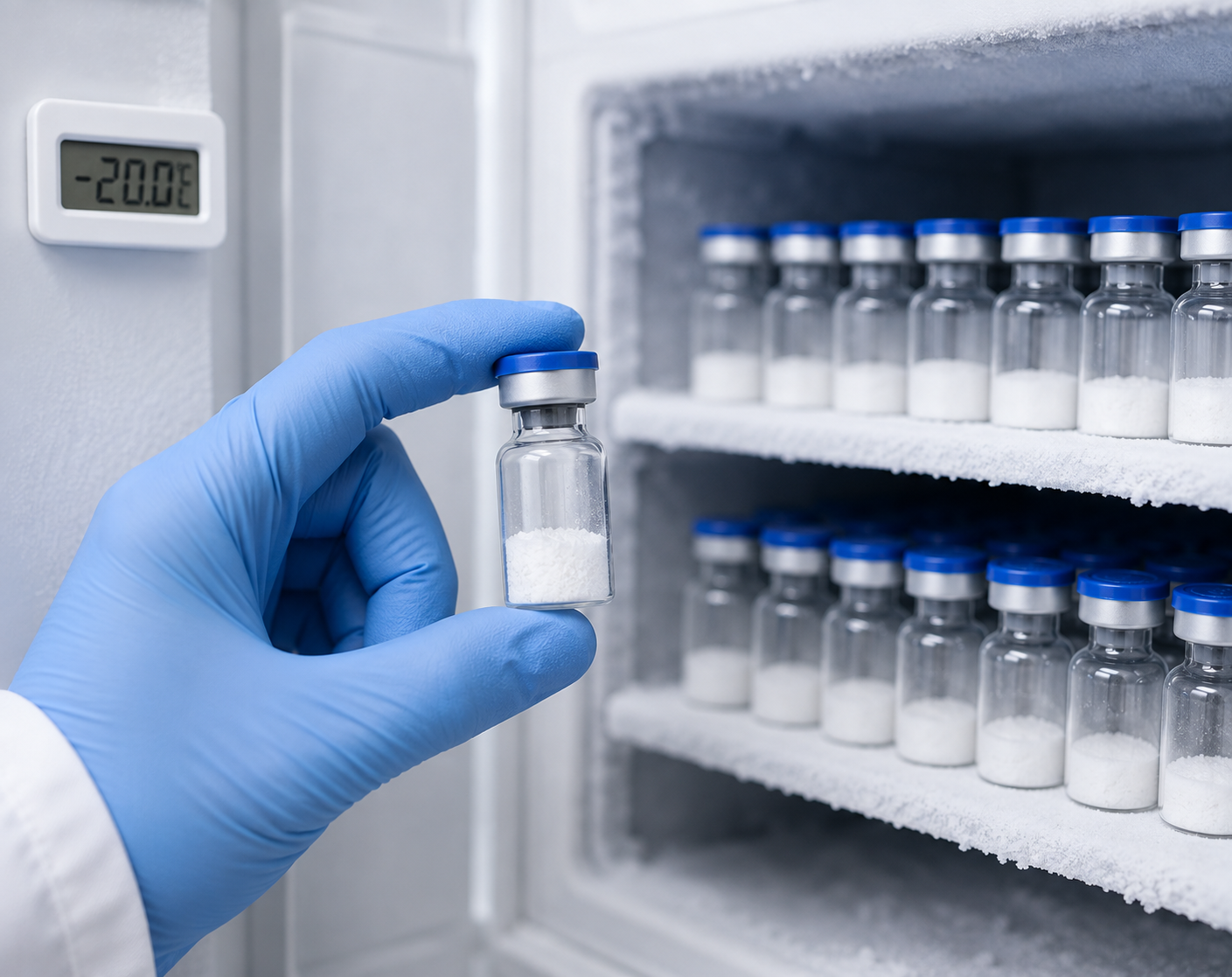
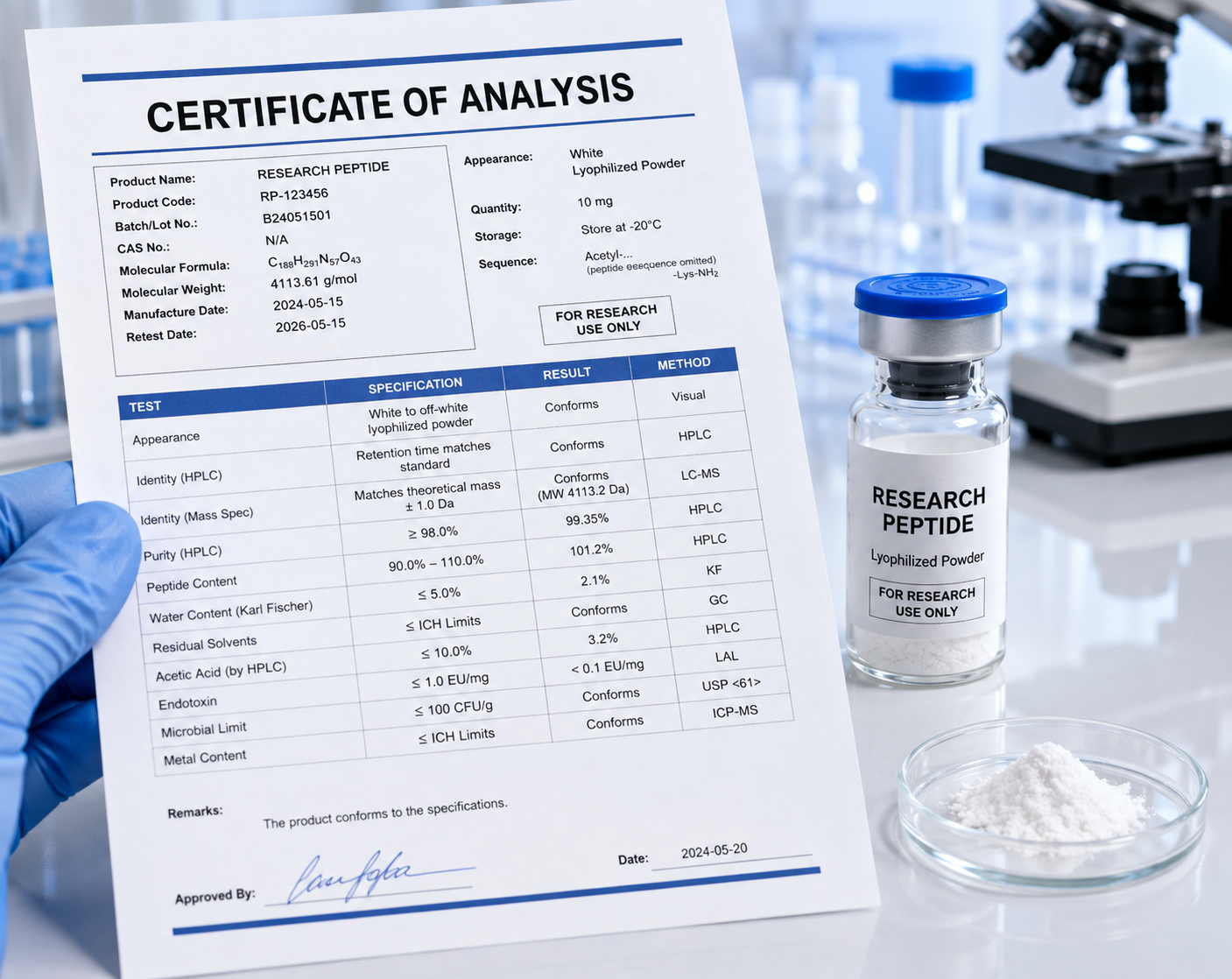
Frosty Laboratory Vial Storage

Lyophilized Peptide Storage: Best Conditions and Shelf Life

One of the primary reasons peptides are commonly supplied in lyophilized, or freeze-dried, form is stability. Removing most of the water from a peptide formulation can dramatically slow many of the chemical reactions that contribute to degradation. But lyophilization does not make a peptide indestructible. Temperature, moisture, oxygen, light, packaging, repeated temperature changes, and the […]

Continue Reading
Sterile Pharmaceutical Laboratory Arrangement

The Different Forms of Peptides: Injectables, Capsules, Nasal Sprays, Topicals, and More

Peptides are short chains of amino acids that participate in an enormous range of biological processes. As peptide science has advanced, researchers and pharmaceutical developers have faced an important question: What is the best way to deliver a peptide to its intended destination? Unlike many conventional small-molecule compounds, peptides can be relatively large, water-soluble molecules […]

Continue Reading
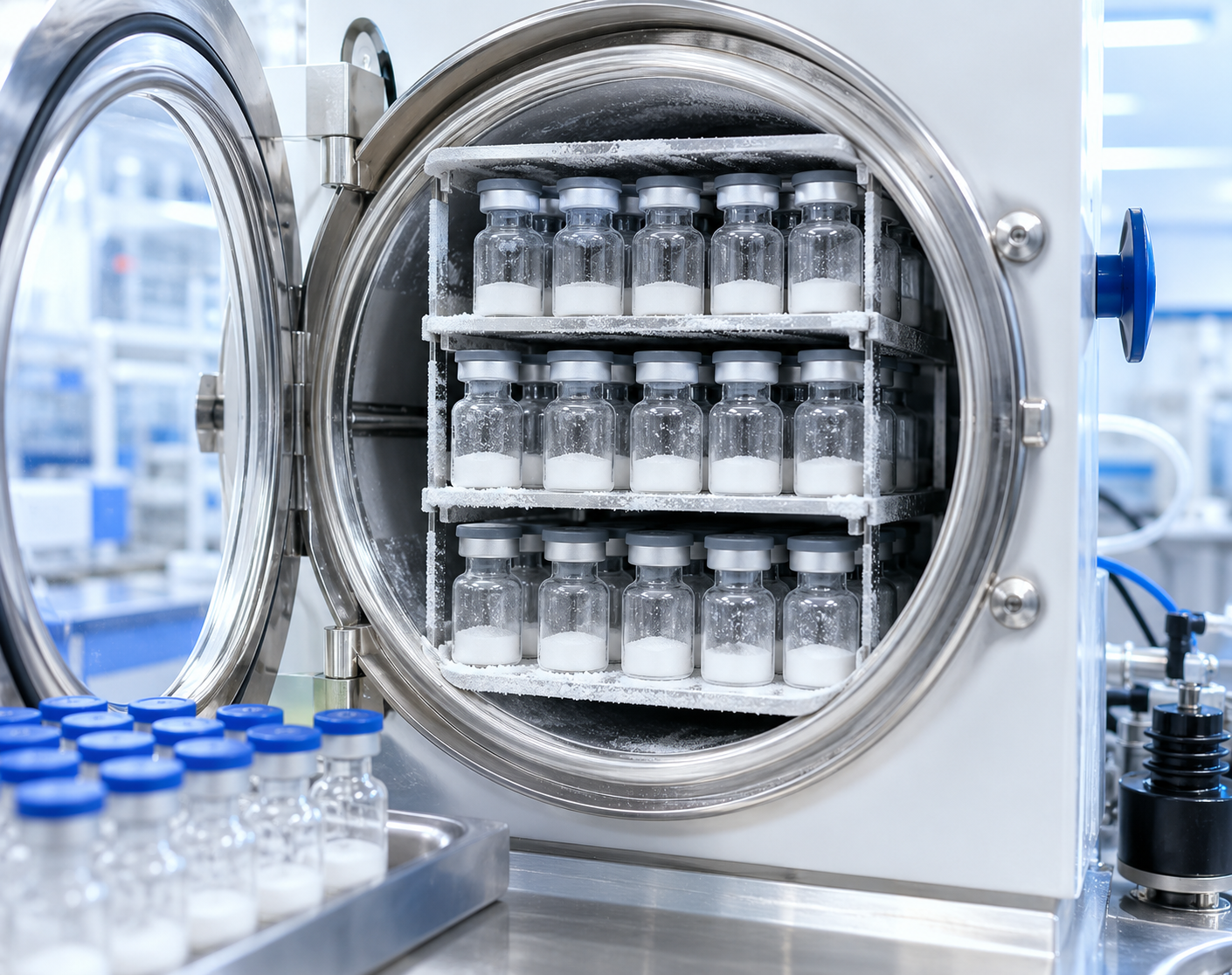
Lyophilized Peptides

Lyophilized Peptides: Understanding Freeze-Drying, the Process, and Its Advantages

Peptides have become an increasingly important area of scientific research, appearing in studies involving metabolism, cellular signaling, tissue repair, immune function, aging, neurological processes, and many other biological systems. However, peptides present researchers and manufacturers with an important challenge: stability. Many peptides are relatively delicate molecules. When maintained in a liquid solution for extended periods, […]

Continue Reading