




Tirzepatide: A Comprehensive Guide to Uses, Research, Dosing, Forms, and Potential Benefits
Tirzepatide is one of the most important medications to emerge in modern metabolic medicine.
It is a once-weekly injectable peptide-based medication that activates two hormone receptors involved in blood sugar control, appetite, and body weight:
GIP — glucose-dependent insulinotropic polypeptide
and
GLP-1 — glucagon-like peptide-1.
Because it targets both receptors simultaneously, tirzepatide is commonly described as a dual incretin agonist.
Unlike many experimental peptides discussed in research communities, tirzepatide is not merely a laboratory compound. It is an FDA-approved prescription medication.
In the United States it is marketed by Eli Lilly under two major brand names:
Mounjaro®, which is approved for improving glycemic control in people with type 2 diabetes,
and
Zepbound®, which is approved for chronic weight management in adults with obesity or qualifying overweight and for treating moderate-to-severe obstructive sleep apnea in adults with obesity.
Large clinical trials have demonstrated substantial reductions in body weight and blood glucose, while more recent studies have provided important information regarding cardiovascular outcomes and long-term diabetes prevention.
This makes tirzepatide fundamentally different from most research peptides: its benefits, risks, formulations, and dosing have been evaluated in large controlled human trials.
What Is Tirzepatide?
Tirzepatide is a synthetic peptide designed to mimic aspects of two naturally occurring metabolic hormones.
These are:
GIP
and
GLP-1.
Both hormones belong to a group known as incretins.
Incretins are released from the gastrointestinal tract after food is consumed and help coordinate the body’s response to incoming nutrients.
Among their effects, incretin hormones influence:
- Insulin secretion
- Glucagon production
- Appetite
- Satiety
- Gastric emptying
- Blood glucose
- Energy intake
Tirzepatide contains a modified amino-acid sequence based primarily on GIP and includes a fatty-acid component that promotes binding to albumin.
That albumin binding significantly extends the compound’s half-life.
FDA labeling reports that tirzepatide has an elimination half-life of approximately five days, allowing it to be administered only once per week.
How Does Tirzepatide Work?
Tirzepatide simultaneously activates the:
GIP receptor
and
GLP-1 receptor.
This produces several overlapping metabolic effects.
FDA prescribing information states that tirzepatide enhances first- and second-phase insulin secretion and reduces glucagon concentrations in a glucose-dependent manner. It also reduces food intake, lowers fasting and post-meal glucose, and decreases body weight.
That glucose-dependent action is important.
It means the medication stimulates insulin most strongly when glucose is elevated, rather than simply forcing insulin release continuously.
The GLP-1 Component
GLP-1 has become one of the best-known hormones in obesity medicine.
When GLP-1 receptors are activated, several effects occur.
These can include:
increased insulin secretion
reduced glucagon signaling
slower gastric emptying
greater satiety
and reduced food intake.
GLP-1 signaling also acts on appetite-regulating regions of the brain.
The practical result for many patients is that they feel satisfied with smaller meals and experience less hunger between meals.
This is part of the reason medications acting through the GLP-1 pathway can produce substantial weight loss.
The GIP Component
GIP is another incretin hormone released after eating.
Like GLP-1, it contributes to glucose-dependent insulin secretion.
Its metabolic role is complex, particularly in adipose tissue and the central nervous system.
Researchers discovered that combining GIP receptor activation with GLP-1 receptor activation could produce metabolic effects beyond those obtained through GLP-1 activity alone.
This dual-receptor strategy led directly to the development of tirzepatide.
What Is Tirzepatide Used For?
Tirzepatide now has several established clinical applications.
Type 2 Diabetes
Under the brand name Mounjaro, tirzepatide is used to improve blood glucose control in people with type 2 diabetes.
Clinical trials have demonstrated large reductions in A1C.
In one major trial comparing tirzepatide with semaglutide in people with type 2 diabetes, tirzepatide produced greater reductions in both A1C and body weight.
At 40 weeks, average weight reductions were approximately:
7.6 kg with 5 mg tirzepatide
9.3 kg with 10 mg
and
11.2 kg with 15 mg
compared with approximately 5.7 kg with semaglutide in that particular study.
Weight Management
Under the brand name Zepbound, tirzepatide is FDA-approved for chronic weight management in adults with obesity or adults with overweight who have at least one weight-related condition.
Treatment is intended to be combined with:
reduced-calorie nutrition
and
increased physical activity.
This is currently one of tirzepatide’s most widely recognized applications.
How Much Weight Loss Can Tirzepatide Produce?
The weight-loss data are substantial.
In the original SURMOUNT-1 trial involving adults with obesity or overweight without diabetes, participants received 5 mg, 10 mg, or 15 mg tirzepatide once weekly for 72 weeks.
All three doses produced substantial and sustained reductions in body weight.
Longer-term follow-up has also provided important information.
Among participants with obesity and prediabetes who continued treatment for 176 weeks, mean body-weight reductions were approximately:
12.3% with 5 mg
18.7% with 10 mg
and
19.7% with 15 mg
compared with approximately 1.3% with placebo.
That trial also produced one of the most interesting findings involving diabetes prevention.
Tirzepatide and Diabetes Prevention
Obesity and insulin resistance dramatically increase the likelihood of developing type 2 diabetes.
In the long-term SURMOUNT study involving participants with obesity and prediabetes, tirzepatide substantially reduced progression to diabetes.
After 176 weeks:
1.3% of tirzepatide-treated participants developed type 2 diabetes
compared with
13.3% of placebo-treated participants.
This represented a hazard ratio of approximately 0.07 during treatment.
After participants stopped therapy for 17 weeks, some of the protection diminished, but diabetes remained substantially less common among those who had previously received tirzepatide.
These findings support the concept that substantial weight reduction and improved metabolic health can dramatically affect diabetes risk.
Tirzepatide Versus Semaglutide
One of the biggest questions in obesity medicine has been how tirzepatide compares directly with semaglutide.
The Phase 3b SURMOUNT-5 trial finally provided a direct comparison.
The study enrolled 751 adults with obesity but without type 2 diabetes.
Participants received the maximum tolerated dose of either:
tirzepatide, 10 or 15 mg
or
semaglutide, 1.7 or 2.4 mg
once weekly.
After 72 weeks, average weight reduction was approximately:
20.2% with tirzepatide
versus
13.7% with semaglutide.
Waist circumference decreased approximately 18.4 cm with tirzepatide compared with 13.0 cm with semaglutide.
Tirzepatide was statistically superior for weight loss in this head-to-head study.
This does not mean tirzepatide is automatically the best medication for every individual.
Medication selection depends on medical history, side effects, insurance coverage, availability, treatment goals, and individual response.
Tirzepatide and Obstructive Sleep Apnea
Tirzepatide has also moved beyond conventional diabetes and obesity treatment.
In December 2024, the FDA expanded Zepbound’s indication to include treatment of moderate-to-severe obstructive sleep apnea in adults with obesity.
FDA labeling now lists Zepbound for this indication.
Obstructive sleep apnea occurs when the upper airway repeatedly narrows or closes during sleep.
Obesity is one of its strongest risk factors.
Weight reduction can decrease fatty tissue around the upper airway and improve respiratory mechanics.
Clinical trials demonstrated meaningful reductions in sleep-apnea severity with tirzepatide, including among people using positive airway pressure therapy and those unwilling or unable to use PAP.
This made tirzepatide the first medication specifically approved in the United States for treating moderate-to-severe OSA in adults with obesity.
Cardiovascular Research
Because diabetes and obesity significantly increase cardiovascular risk, researchers have carefully studied tirzepatide’s effects on heart attack, stroke, and cardiovascular death.
The large SURPASS-CVOT trial enrolled more than 13,000 people with type 2 diabetes and established atherosclerotic cardiovascular disease.
Participants received either tirzepatide or dulaglutide.
A primary cardiovascular event occurred in:
12.2% of tirzepatide-treated patients
and
13.1% of dulaglutide-treated patients.
Tirzepatide successfully demonstrated noninferiority to dulaglutide for the composite of cardiovascular death, heart attack, or stroke, although superiority was not statistically established.
This is reassuring because tirzepatide did not increase major cardiovascular events compared with a GLP-1 medication already known to provide cardiovascular protection.
Tirzepatide Dosing
Unlike experimental peptides, tirzepatide has an FDA-approved dosing schedule.
Starting Dose
The recommended starting dose is:
2.5 mg once weekly for four weeks.
The 2.5 mg dose is primarily an introductory dose intended to help the gastrointestinal system adapt.
For Mounjaro, FDA labeling specifically states that 2.5 mg is not intended as the maintenance dose for glycemic control.
First Dose Increase
After four weeks, the dose is increased to:
5 mg once weekly.
Additional Dose Increases
If additional therapeutic effect is needed and treatment is tolerated, doses may be increased in 2.5 mg increments after at least four weeks at the current dose.
Available strengths are:
2.5 mg
5 mg
7.5 mg
10 mg
12.5 mg
and
15 mg.
The maximum FDA-approved dosage is:
15 mg once weekly.
Maintenance Dosing for Weight Management
For Zepbound, FDA-approved maintenance doses for chronic weight management are:
5 mg
10 mg
or
15 mg once weekly.
The appropriate maintenance dose depends on treatment response and tolerability.
The intermediate doses of 7.5 mg and 12.5 mg are commonly used during gradual escalation but are not listed as primary long-term maintenance doses for weight management in FDA labeling.
Dosing for Obstructive Sleep Apnea
For adults with obesity and moderate-to-severe obstructive sleep apnea, FDA labeling identifies maintenance doses of:
10 mg
or
15 mg once weekly.
Again, dose escalation is gradual rather than immediately starting at these higher doses.
Why Tirzepatide Is Increased Slowly
The gradual dosing schedule exists largely because gastrointestinal side effects are dose-dependent.
Common symptoms include:
nausea
diarrhea
constipation
vomiting
and abdominal discomfort.
These symptoms frequently occur during dose escalation.
Increasing the dose gradually gives the gastrointestinal system time to adapt and can improve tolerability.
Clinical trials consistently found gastrointestinal symptoms to be the most common side effects, with most being mild to moderate.
What If a Dose Is Missed?
FDA labeling provides a specific protocol.
If a dose is missed, it may be administered within four days, or 96 hours, of the scheduled dose.
If more than four days have passed, the missed dose should be skipped and the next dose taken on the regularly scheduled day.
The weekly administration day can also be changed as long as at least 72 hours separate consecutive doses.
How Is Tirzepatide Administered?
Tirzepatide is administered subcutaneously once weekly.
Approved injection locations include:
abdomen
thigh
and upper arm.
Injection sites should be rotated.
The medication may be administered at any time of day and does not need to be taken with food.
What Forms Is Tirzepatide Offered In?
FDA-approved tirzepatide is supplied as a sterile liquid solution for subcutaneous injection.
Available dose strengths include:
- 2.5 mg
- 5 mg
- 7.5 mg
- 10 mg
- 12.5 mg
- 15 mg
FDA-approved products include single-dose pens and single-dose vials depending on the specific presentation. Each FDA-listed Mounjaro strength contains the appropriate amount of tirzepatide in 0.5 mL of solution.
Mounjaro
Mounjaro contains tirzepatide and is approved primarily for type 2 diabetes management.
Zepbound
Zepbound also contains tirzepatide.
Its approved uses include:
chronic weight management
and
moderate-to-severe obstructive sleep apnea in adults with obesity.
The active pharmaceutical ingredient is the same molecule.
The difference lies primarily in FDA-approved indications, labeling, and commercial branding.
What About Lyophilized Tirzepatide?
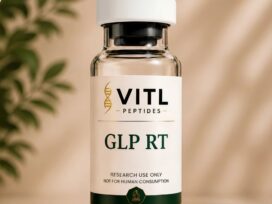
Tirzepatide is also widely advertised through research suppliers as lyophilized or freeze-dried powder.
This is fundamentally different from FDA-approved Mounjaro or Zepbound.
FDA-approved tirzepatide products are manufactured under pharmaceutical standards as sterile injectable medications with validated:
identity
potency
purity
sterility
stability
and dose accuracy.
A research vial labeled “tirzepatide” should not automatically be assumed to possess equivalent characteristics.
Research-material products are not substitutes for FDA-approved medication and should not be represented as though they have undergone the same manufacturing and clinical review.
Common Side Effects
The most common adverse effects are gastrointestinal.
According to FDA labeling, common Zepbound reactions include:
- Nausea
- Diarrhea
- Vomiting
- Constipation
- Abdominal pain
- Indigestion
- Injection-site reactions
- Fatigue
- Hypersensitivity reactions
- Belching
- Hair loss
- Gastroesophageal reflux disease
These effects are often most noticeable during dose escalation.
For many people they improve as treatment continues.
Serious Risks
Tirzepatide is an effective medication, but it is not risk-free.
Important warnings include several potentially serious conditions.
Thyroid C-Cell Tumor Warning
Tirzepatide carries an FDA boxed warning regarding thyroid C-cell tumors.
In rodent studies, tirzepatide caused thyroid C-cell tumors.
It is not known whether the medication causes medullary thyroid carcinoma in humans.
Tirzepatide is therefore contraindicated in people with:
a personal or family history of medullary thyroid carcinoma
or
Multiple Endocrine Neoplasia syndrome type 2, or MEN 2.
Pancreatitis
Acute pancreatitis has been reported with incretin-based therapies.
Persistent severe abdominal pain, particularly if it radiates toward the back, requires medical evaluation.
Gallbladder Disease
Rapid weight loss and incretin therapy may increase the risk of gallstones and gallbladder inflammation.
Kidney Problems
Severe vomiting or diarrhea can cause dehydration.
Dehydration can contribute to acute kidney injury, particularly in people who already have kidney disease.
FDA labeling recommends monitoring kidney function when significant gastrointestinal symptoms create a risk of volume depletion.
Severe Gastrointestinal Symptoms
Tirzepatide can significantly affect gastrointestinal motility.
FDA labeling warns about severe gastrointestinal adverse reactions and states that Zepbound has not been adequately studied in patients with severe gastrointestinal disease.
Tirzepatide and Gastric Emptying
Tirzepatide delays gastric emptying.
That contributes to satiety, but it also creates important medication and procedural considerations.
Slower gastric emptying can affect absorption of some oral medications.
FDA labeling specifically notes this potential drug interaction.
There have also been reports of retained stomach contents and pulmonary aspiration during procedures requiring general anesthesia or deep sedation.
Patients taking tirzepatide should inform physicians and anesthesia teams before planned procedures.
Tirzepatide and Oral Birth Control
Delayed gastric emptying can also affect absorption of oral contraceptives.
FDA labeling advises women using oral hormonal contraception to either:
switch temporarily to a non-oral contraceptive
or
add a barrier contraceptive method
for four weeks after starting tirzepatide and for four weeks after each dose increase.
Hypoglycemia
Tirzepatide itself generally produces relatively low hypoglycemia risk because its insulin effects are glucose dependent.
Risk can increase substantially when it is combined with medications such as:
insulin
or
sulfonylureas.
Medication doses may need adjustment in these situations.
Pregnancy
Weight loss medications should not be used during pregnancy.
FDA labeling states that Zepbound may cause fetal harm and should be discontinued when pregnancy is recognized.
Tirzepatide and Muscle Loss
A common concern with substantial weight loss is loss of lean body mass.
Whenever someone loses a significant amount of body weight, the reduction generally contains both:
fat mass
and
lean tissue.
This occurs during dieting, bariatric surgery, and pharmacological weight loss.
For people receiving obesity treatment, preserving muscle becomes an important goal.
Strategies commonly emphasized in clinical practice include:
adequate dietary protein
resistance training
maintaining physical activity
and avoiding unnecessarily severe calorie restriction.
The goal should generally be improving body composition, not simply making the scale decrease as rapidly as possible.
Tirzepatide and Long-Term Treatment
One important lesson from obesity pharmacology is that obesity behaves more like a chronic disease than a short-term problem.
When treatment is discontinued, appetite-regulating biology can reassert itself.
Weight regain is therefore common after stopping effective obesity medications.
The long-term SURMOUNT research also demonstrated that some metabolic protection diminished during the period after tirzepatide was discontinued.
This means tirzepatide is generally better understood as long-term metabolic therapy rather than a temporary “weight-loss cycle.”
Tirzepatide Versus Retatrutide
Retatrutide is frequently compared with tirzepatide because both were developed by Eli Lilly.
The key mechanistic difference is:
Tirzepatide: GIP + GLP-1 receptor agonist.
Retatrutide: GIP + GLP-1 + glucagon receptor agonist.
Retatrutide remains investigational, while tirzepatide is already FDA-approved and has extensive real-world use.
The addition of glucagon receptor activity may allow retatrutide to influence energy expenditure more strongly, and late-stage trials have demonstrated striking weight-loss results.
However, until retatrutide completes regulatory review, tirzepatide has a much larger established clinical safety and effectiveness database.
Tirzepatide Versus Cagrilintide
Cagrilintide targets a very different hormonal pathway.
Tirzepatide targets GIP and GLP-1 receptors.
Cagrilintide is a long-acting amylin analogue.
Cagrilintide remains investigational.
Researchers are especially interested in combining different satiety pathways, which explains the growing development of amylin-based compounds and multi-hormone metabolic therapies.
Tirzepatide currently has a major advantage in that its dosing, indications, manufacturing, and safety profile have already undergone FDA review.
Is Tirzepatide FDA Approved?
Yes.
This is one of the major distinctions between tirzepatide and many compounds discussed in peptide research.
Tirzepatide first received U.S. approval in 2022.
Today, FDA-approved tirzepatide products include:
Mounjaro, for type 2 diabetes,
and
Zepbound, for chronic weight management and moderate-to-severe obstructive sleep apnea in adults with obesity.
It is therefore inaccurate to describe tirzepatide itself as an experimental peptide.
Research continues, but the medication already has established approved clinical uses.
Current Research in 2026
Even though tirzepatide is approved, research continues rapidly.
Several recent findings have significantly expanded what scientists know about the drug.
The 2025 SURMOUNT-5 trial demonstrated greater average weight loss with tirzepatide than semaglutide in adults with obesity without diabetes.
Long-term SURMOUNT research demonstrated sustained weight reduction and a dramatic reduction in progression from prediabetes to type 2 diabetes during treatment.
The large SURPASS-CVOT study published in late 2025 demonstrated that tirzepatide was noninferior to dulaglutide for major cardiovascular outcomes in people with type 2 diabetes and established cardiovascular disease.
Researchers continue to investigate tirzepatide and related incretin therapies in areas involving:
cardiovascular disease
kidney disease
fatty liver disease
heart failure
sleep apnea
diabetes prevention
and long-term obesity management.
The Bottom Line
Tirzepatide represents one of the most important advances in modern diabetes and obesity medicine.
It is a synthetic peptide-based medication that simultaneously activates GIP and GLP-1 receptors, creating complementary effects involving:
insulin secretion
glucagon regulation
appetite
satiety
food intake
blood glucose
and body weight.
Unlike many experimental metabolic peptides, tirzepatide has been evaluated in thousands of people through large randomized clinical trials and is FDA approved.
Under the brand name Mounjaro, tirzepatide is used for type 2 diabetes.
Under the brand name Zepbound, it is approved for chronic weight management and for moderate-to-severe obstructive sleep apnea in adults with obesity.
The medication also has one of the strongest weight-loss evidence bases currently available.
In the head-to-head SURMOUNT-5 trial, adults with obesity without diabetes lost an average of approximately 20.2% of their body weight with tirzepatide after 72 weeks, compared with approximately 13.7% with semaglutide.
Long-term research has shown sustained weight reductions approaching 20% at higher doses and a dramatic reduction in progression from prediabetes to diabetes while treatment continues.
Tirzepatide also has something most research peptides do not: an established FDA dosing schedule.
Treatment begins at:
2.5 mg once weekly for four weeks
and generally increases to:
5 mg once weekly,
with additional 2.5 mg increases possible after at least four weeks at each dose.
The maximum approved dosage is:
15 mg once weekly.
That gradual escalation is important because gastrointestinal symptoms—including nausea, diarrhea, vomiting, and constipation—are among the medication’s most common adverse effects.
Tirzepatide also carries important warnings involving thyroid C-cell tumors observed in rodents, pancreatitis, gallbladder disease, kidney problems related to dehydration, severe gastrointestinal symptoms, medication absorption, and anesthesia-related aspiration risk.
Perhaps the most accurate way to describe tirzepatide in 2026 is as a clinically established dual-incretin medication that has changed the treatment of obesity and type 2 diabetes by combining powerful effects on appetite, glucose regulation, and body weight in a once-weekly therapy.
Its significance goes beyond weight loss.
Current evidence suggests tirzepatide can substantially improve metabolic health, reduce progression from prediabetes to diabetes, improve obstructive sleep apnea in people with obesity, and provide cardiovascular safety comparable with an established GLP-1 cardiovascular therapy.
At the same time, tirzepatide should not be viewed as a simple cosmetic weight-loss peptide.
It is a potent prescription medication that alters multiple metabolic systems and requires appropriate patient selection, gradual dose escalation, and monitoring for adverse effects.
For researchers, tirzepatide helped validate the concept that targeting more than one metabolic hormone receptor can produce substantially greater therapeutic effects than traditional single-pathway approaches.
That success has directly influenced the next generation of compounds now under investigation, including triple agonists such as retatrutide and combinations involving amylin pathways.
For patients and consumers, however, tirzepatide’s most important advantage is straightforward:
Unlike most compounds marketed in the peptide research world, its benefits and risks are supported by extensive human clinical evidence, standardized pharmaceutical manufacturing, FDA-reviewed dosing, and approved medical indications.
Educational notice: This article is intended for general educational information and does not replace individualized medical advice. Tirzepatide is an FDA-approved prescription medication, but appropriate indications, dose escalation, contraindications, interactions, and monitoring should be determined by a qualified healthcare professional. Research-grade or lyophilized tirzepatide products should not be assumed to be equivalent to FDA-approved Mounjaro or Zepbound.



Apple pie sugar plum oat cake gingerbread candy canes brownie.
Biscuit dessert lemon drops icing sweet powder pudding danish.