


Peptides for Muscle Growth: Benefits, Risks & Insights
Peptides have become a major topic in fitness, body recomposition, recovery, and metabolic health. Some are studied for growth hormone signaling, some for injury-related pathways, and newer drugs such as retatrutide are being researched primarily for weight and metabolic outcomes rather than direct muscle gain. If you are trying to separate real potential from hype, the safest starting point is simple: peptides are not a shortcut around training, nutrition, sleep, and medical oversight.
Are peptides good for you?
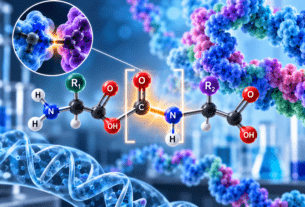
Peptides can be useful in specific medical or research contexts, but they are not automatically “good for you” just because they are marketed as natural or body-identical. A peptide is simply a short chain of amino acids, and different peptides can have very different effects in the body. Some are approved medicines for defined conditions, while many popular fitness peptides are sold as research chemicals or compounded products without FDA approval for muscle growth.
That distinction matters. The same category can include clinically used therapies, investigational drugs, and gray-market products with uncertain purity. For someone interested in peptides for muscle growth, the practical question is not whether peptides sound natural; it is whether a specific compound has human evidence, quality controls, legal access, and appropriate monitoring.

The natural muscle-growth foundation still comes first
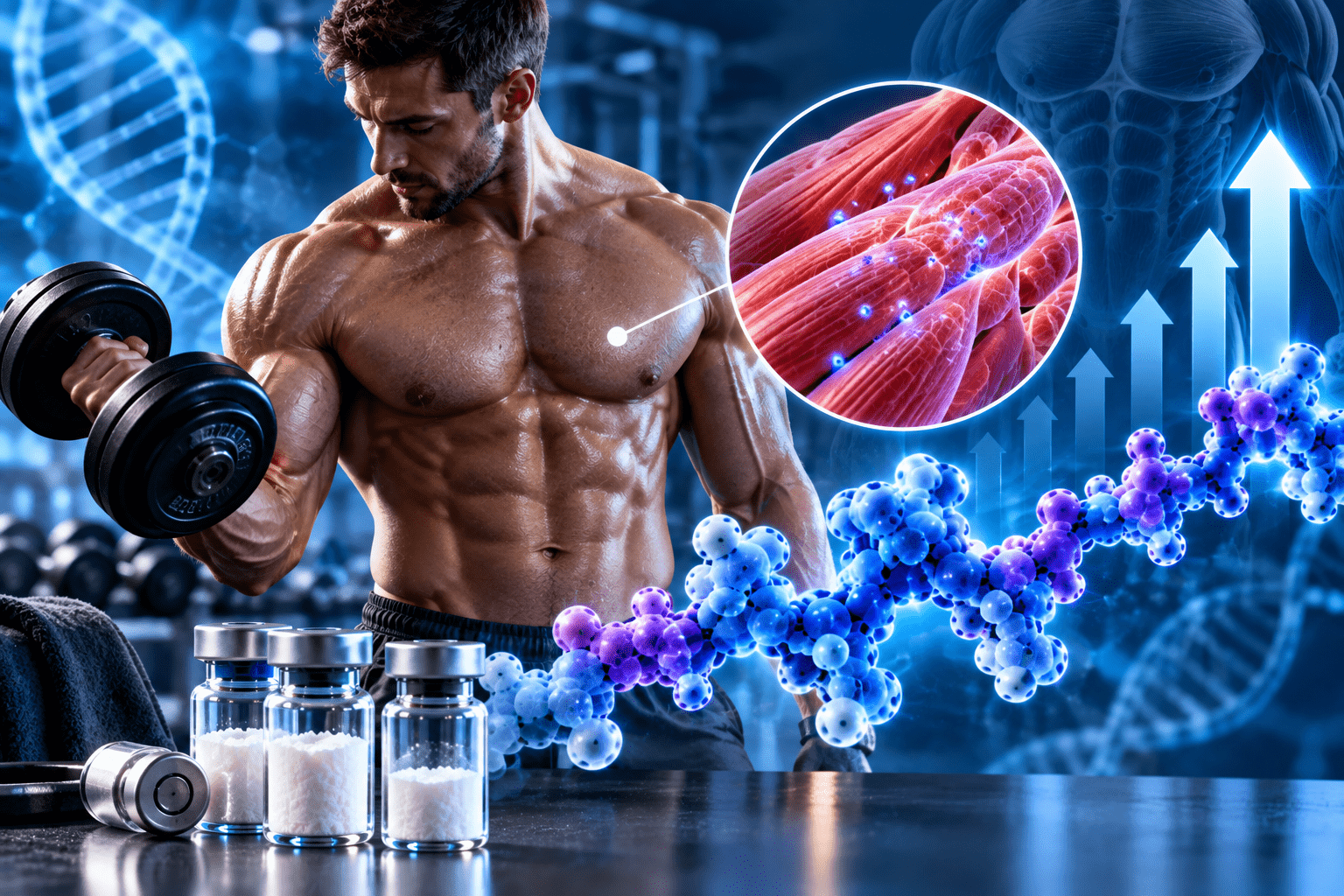
Before looking at any peptide, it helps to define what “boosting muscle growth naturally” actually requires. Muscle tissue responds to progressive resistance training, adequate protein and total calories, sleep, recovery, and consistency over time. Peptides may influence signals related to growth hormone, appetite, repair, or metabolism, but they do not replace the mechanical stimulus that tells muscle to adapt.
A realistic muscle-building plan should prioritize:
- Progressive training: Use structured resistance training with measurable increases in load, reps, sets, or quality of movement.
- Protein consistency: Spread high-quality protein across the day rather than relying on one large meal.
- Energy balance: Muscle gain is harder in a deep calorie deficit, even if body fat is dropping.
- Recovery: Sleep, deloads, and stress management affect training quality and hormone regulation.
- Tracking: Photos, strength logs, body measurements, and blood work can be more useful than scale weight alone.
This is especially important when people search for “retatrutide before and after” results. Dramatic visual changes may come from fat loss, water shifts, lighting, diet, or training changes, not necessarily new muscle tissue.
What is retatrutide, and does it build muscle?
Retatrutide is an investigational once-weekly triple hormone receptor agonist that targets GIP, GLP-1, and glucagon receptors; it is being studied mainly for obesity, overweight, type 2 diabetes, and related metabolic conditions, not as a bodybuilding or muscle-growth peptide. Lilly describes retatrutide as investigational, and its clinical program focuses on weight and cardiometabolic outcomes rather than strength or hypertrophy endpoints. (lilly.com)
That does not mean body composition is irrelevant. If a person loses a significant amount of fat while maintaining training and protein intake, they may look more muscular because their existing muscle becomes more visible. But that is different from proving that retatrutide directly increases muscle size, muscle strength, or athletic performance.
The strongest public clinical attention around retatrutide has been weight reduction. In a phase 2 obesity trial published in the New England Journal of Medicine, retatrutide produced substantial average weight loss at higher doses over 48 weeks, and the authors concluded that further phase 3 investigation was warranted. (nejm.org) More recent company-reported phase 3 topline results also focus on weight, A1C, and obesity-related conditions, not direct muscle-building claims. (investor.lilly.com)
Retatrutide before and after expectations
Searches for “retatrutide before and after” often suggest a simple transformation story: take the compound, lose fat, look leaner. In reality, before-and-after outcomes depend on starting body weight, training status, calorie intake, protein intake, side effects, dose escalation, adherence, and whether the product is being used inside a legitimate clinical trial or medical setting.
A more honest expectation looks like this:
- Most likely visual change: Reduced body fat, smaller waist measurement, and improved definition if lean mass is preserved.
- Possible downside: Loss of lean mass can occur during weight loss if resistance training, protein, and recovery are poor.
- Unproven claim: Direct muscle growth from retatrutide itself has not been established as a primary clinical outcome.
- Best tracking approach: Compare strength logs, waist measurements, body composition testing when available, and consistent photos rather than relying only on the scale.
For people chasing a leaner physique, retatrutide may be discussed because fat loss changes how muscle looks. But if the goal is actual hypertrophy, the evidence conversation shifts toward training, nutrition, and peptides that affect the GH/IGF-1 axis rather than incretin-style metabolic drugs.
The peptide categories people confuse
Fitness marketing often lumps very different compounds together under one “peptide therapy” label. That creates confusion because a recovery-oriented peptide, a growth hormone secretagogue, and an incretin-based metabolic drug do not have the same purpose.
Common categories include:
- GH secretagogues: Compounds such as CJC-1295, ipamorelin, sermorelin, GHRP-2, GHRP-6, and related agents are discussed because they may influence growth hormone release and IGF-1 signaling. Reviews note interest in body composition, but human evidence varies widely by compound and study design. (pmc.ncbi.nlm.nih.gov)
- Recovery-focused peptides: BPC-157 and TB-500 are often marketed for injury recovery, connective tissue, or repair pathways, but regulatory and safety concerns remain important.
- Metabolic peptides and incretin drugs: Semaglutide, tirzepatide, and investigational retatrutide are mainly associated with appetite, weight, glucose, and metabolic effects.
- Direct growth-factor approaches: IGF-1 analog discussions are more anabolic in theory, but they also carry complex safety, legality, and doping concerns.
For natural muscle growth, the most relevant comparison is not “which peptide is strongest?” It is “which pathway matches the goal, and is the evidence strong enough to justify the risk?”
Retatrutide peptide side effects and safety concerns
Retatrutide peptide side effects reported in obesity research appear broadly similar to incretin-based therapies, with gastrointestinal effects commonly discussed in this drug class. The phase 2 retatrutide trial evaluated adverse events and safety across dose groups, and Lilly’s ongoing phase 3 program continues to study efficacy and safety in larger populations. (nejm.org)
However, the fitness market adds another layer of risk: products sold outside regulated channels may not match what was studied in clinical trials. FDA has warned about unapproved GLP-1-type products used for weight loss, including marketing involving retatrutide, and has also issued warning letters noting that retatrutide is not an active ingredient in an FDA-approved drug. (fda.gov)
Safety questions to discuss with a qualified clinician include:
- Personal or family history that may make incretin-based drugs inappropriate.
- Gastrointestinal tolerance, hydration, and nutrition during appetite suppression.
- Blood glucose, lipids, liver markers, kidney markers, and other relevant labs.
- Muscle retention during weight loss, especially in older adults or aggressive deficits.
- Medication interactions and whether symptoms are being masked or ignored.
This is not a minor detail. If side effects reduce food intake too sharply, training performance can fall, recovery can suffer, and the “leaner” result may come with preventable muscle loss.
Is retatrutide FDA approved?
As of September 6, 2026, retatrutide is not FDA approved for muscle growth, obesity treatment, or general prescription use in the United States. Lilly continues to describe it as investigational, ClinicalTrials.gov lists major retatrutide studies as clinical trials, and FDA materials have identified retatrutide as not being an active ingredient in any FDA-approved drug. (lilly.com)
That also affects retatrutide cost. Because there is no FDA-approved commercial retatrutide product, there is no standard, regulated retail price to compare. Any advertised retatrutide cost from gray-market sellers, “research” suppliers, or clinics should be interpreted cautiously because price does not prove identity, sterility, purity, legality, or safety.
Choosing the best peptide company requires skepticism
The “best peptide company” is not simply the one with the cleanest website, lowest price, or most enthusiastic testimonials. For research-grade products, buyers often look for third-party testing and certificates of analysis, but those documents are still not the same as FDA approval for human use. A company can sell a compound for research purposes while the product remains inappropriate or unlawful for personal injection.
If you are evaluating any peptide source, use a safety-first checklist:
- Clarify intended use: Is it an approved prescription product, a compounded medication, or a research chemical?
- Look for independent testing: COAs should be batch-specific and ideally verified by a qualified third-party lab.
- Avoid medical claims without approval: Be wary of sellers promising fat loss, muscle gain, healing, or anti-aging outcomes.
- Check regulatory status: FDA warnings and compounding rules can change, so current verification matters.
- Use clinical supervision: Blood work and medical screening are more meaningful than forum protocols.
- Consider sport rules: Many growth hormone secretagogues and growth-factor-related substances are prohibited in competitive sport. (sportintegrity.gov.au)
FDA has also flagged safety concerns for some peptide substances used in compounding, including BPC-157 and CJC-1295, citing issues such as immunogenicity risk and peptide-related impurity characterization. (fda.gov) That does not mean every peptide has the same risk profile, but it does show why “natural” marketing should not replace regulation and evidence.
A practical path for muscle-focused readers
If your goal is more muscle, start with the variables that reliably move the needle. Then, if you are still curious about peptides, treat them as a medical and regulatory question rather than a supplement trend.
A sensible next-step framework:
- Run a training audit: Are your lifts progressing, or are you changing programs too often?
- Check nutrition first: Protein, calories, fiber, and micronutrients affect both physique and health.
- Measure what matters: Track strength, waist, body weight trend, photos, and recovery quality.
- Get baseline labs when appropriate: IGF-1, glucose markers, lipids, thyroid markers, liver and kidney markers, and hormones may be relevant depending on the person.
- Separate fat loss from muscle gain: A leaner body is not always a more muscular body.
- Avoid unsupervised stacking: Combining multiple research peptides makes it harder to know what is working and what is causing side effects.

The takeaway
Peptides can be powerful biological tools, but power is not the same as proof, safety, or suitability. Retatrutide is best understood as an investigational metabolic drug with promising weight-loss research, not a proven muscle-growth peptide. For most people, the most “natural” muscle-building strategy is still disciplined training, enough protein, smart recovery, and patience.
If peptides remain on your radar, slow down before buying. Ask what the compound is approved for, what human evidence supports the goal, what side effects are known, and whether a qualified clinician is involved. The best physique decision is not the trendiest one; it is the one that protects your health while supporting measurable, sustainable progress.