


human body repair itself

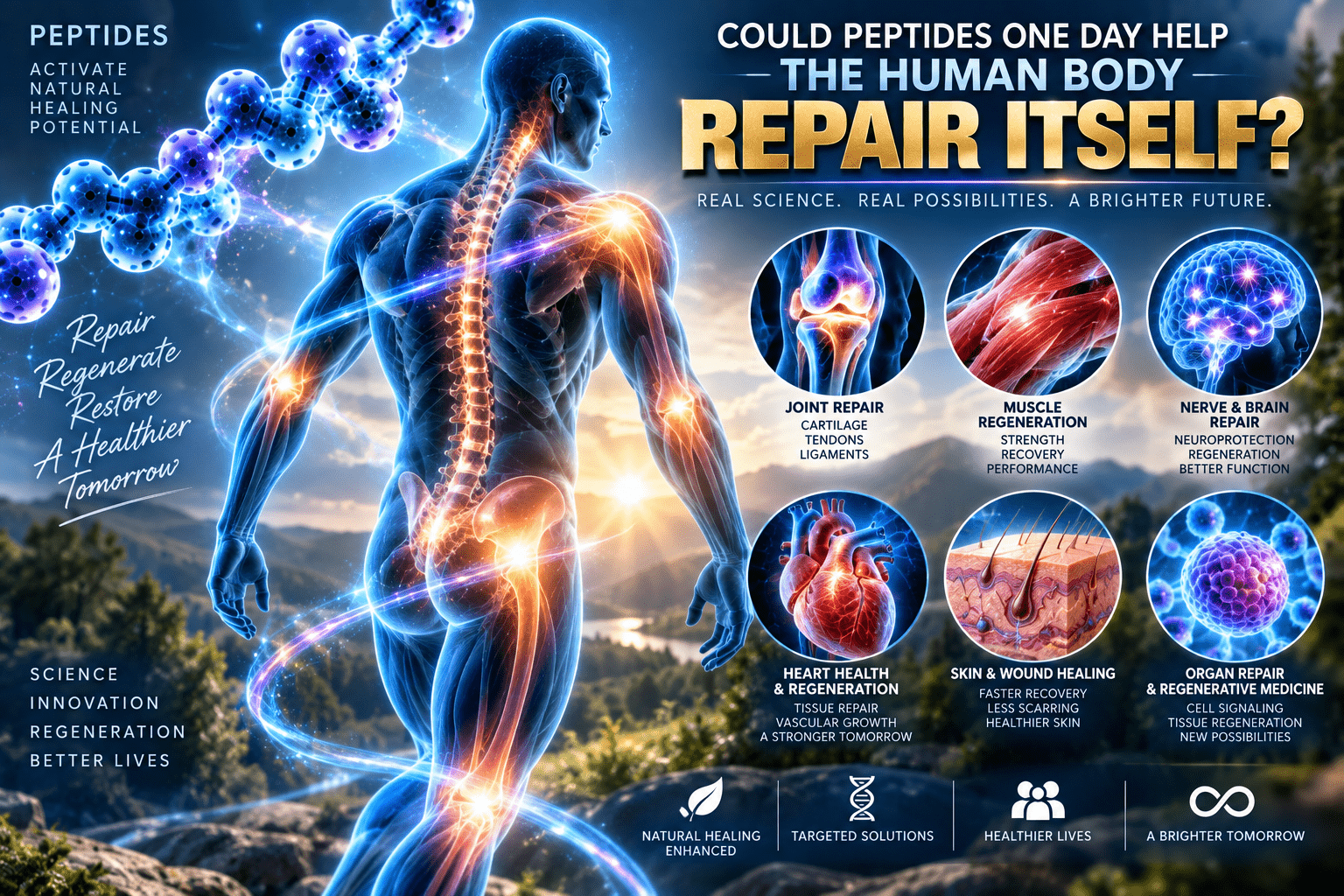
Could Peptides One Day Help the Human Body Repair Itself?

Imagine suffering a serious knee injury and receiving a treatment designed not simply to reduce the pain, but to help damaged tissue rebuild itself. Imagine a damaged peripheral nerve being given molecular instructions that encourage nerve fibers to reconnect. Imagine a severe wound healing with less scar tissue because researchers learned how to precisely control […]

Continue Reading
Cartalax

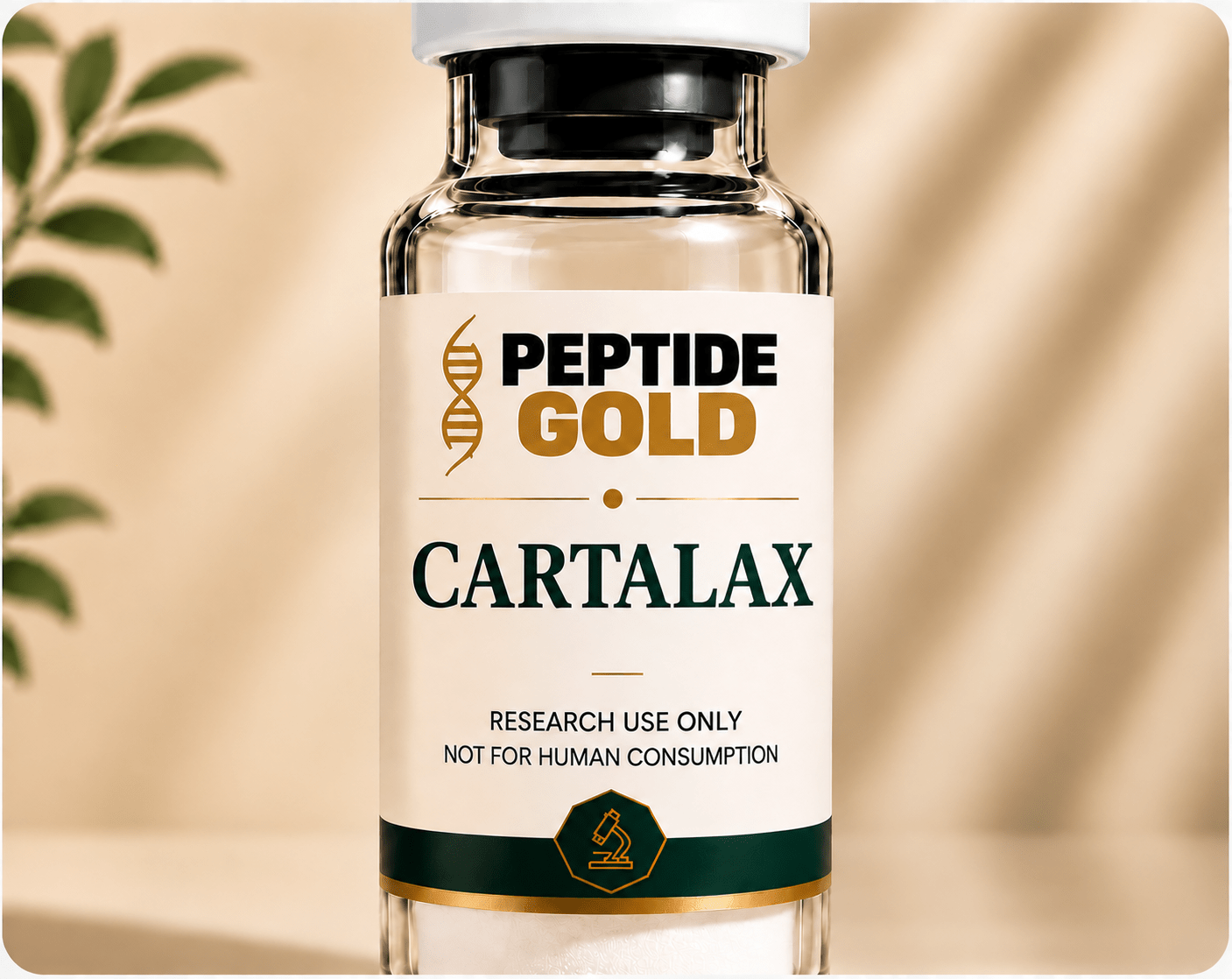
Cartalax: A Comprehensive Guide to Uses, Research, Dosing Information, Forms, and Potential Benefits

Cartalax is an experimental short peptide that has attracted attention in the growing field of peptide bioregulators, particularly because of its proposed relationship with cartilage, connective tissue, cellular aging and musculoskeletal research. Unlike many larger peptides composed of dozens of amino acids, Cartalax is remarkably small. It consists of only three amino acids: Alanine – […]

Continue Reading
ARA-290

ARA-290: A Comprehensive Guide to Uses, Research, Dosing Information, Forms, and Potential Benefits

ARA-290 is an experimental peptide that has attracted significant scientific interest for a reason that separates it from many compounds in the research-peptide world: it has already been evaluated in controlled human clinical studies. Also known as cibinetide, ARA-290 has been investigated primarily for its potential anti-inflammatory, tissue-protective and nerve-repair effects. Much of the most […]

Continue Reading
AHK-cu

AHK-Cu: A Comprehensive Guide to Uses, Research, Dosing Information, Forms, and Potential Benefits

AHK-Cu is one of the lesser-known members of the copper peptide family, but it has attracted growing interest among researchers and cosmetic formulators—particularly in the area of hair follicle biology, scalp health, tissue remodeling, and regenerative research. AHK-Cu is closely related to the much better-known copper peptide GHK-Cu. The two compounds differ by only one […]

Continue Reading
VIP

VIP (Vasoactive Intestinal Peptide): A Comprehensive Guide to Uses, Research, Dosing, Forms, and Potential Benefits

VIP, short for vasoactive intestinal peptide, is a naturally occurring 28-amino-acid neuropeptide and hormone involved in a remarkably broad range of physiological processes. Despite its name, VIP is not limited to the intestines. It is found throughout the: gastrointestinal tract lungs heart and blood vessels pancreas immune system and central and peripheral nervous systems. VIP […]

Continue Reading
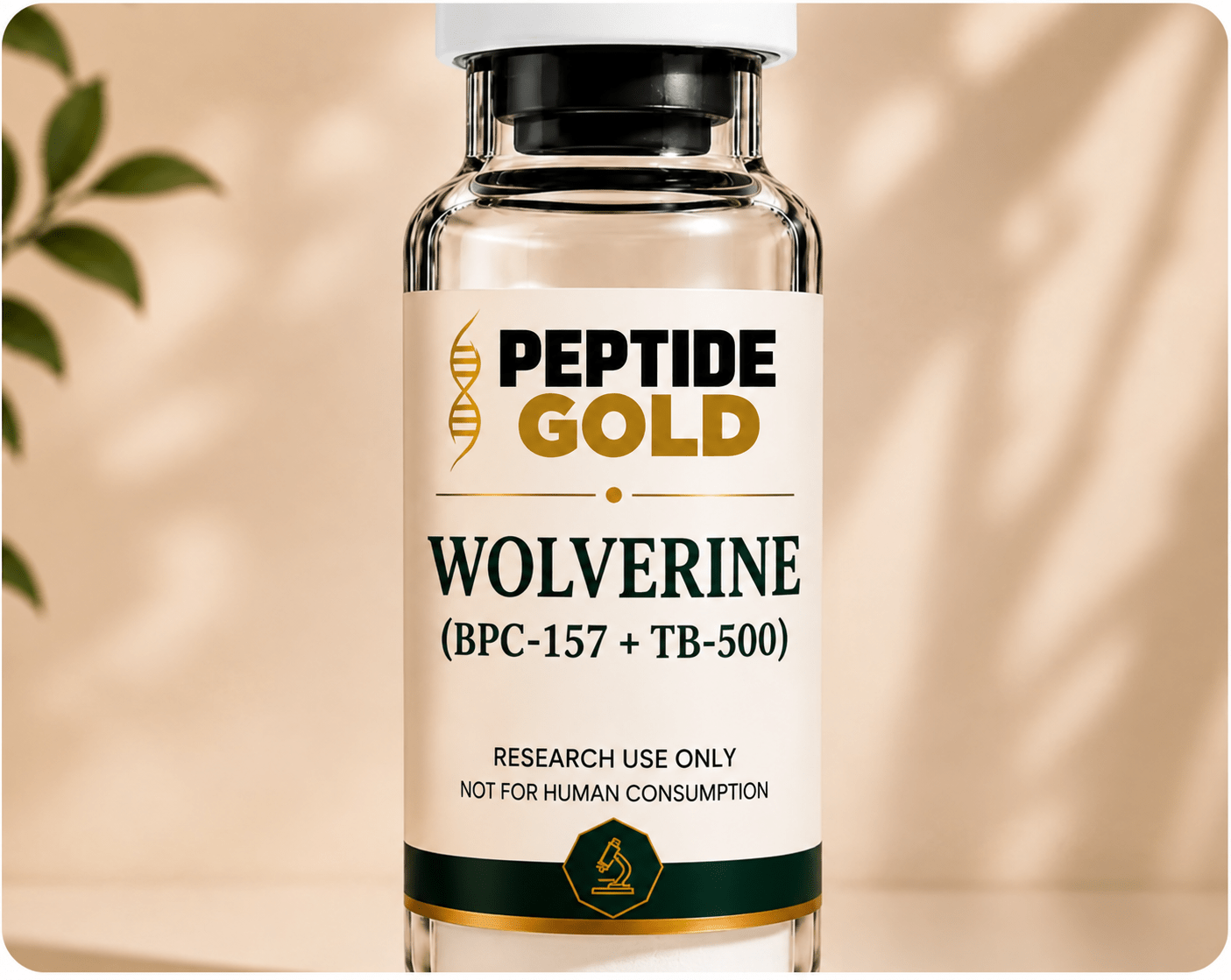
Wolverine (BPC-157 + TB-500)

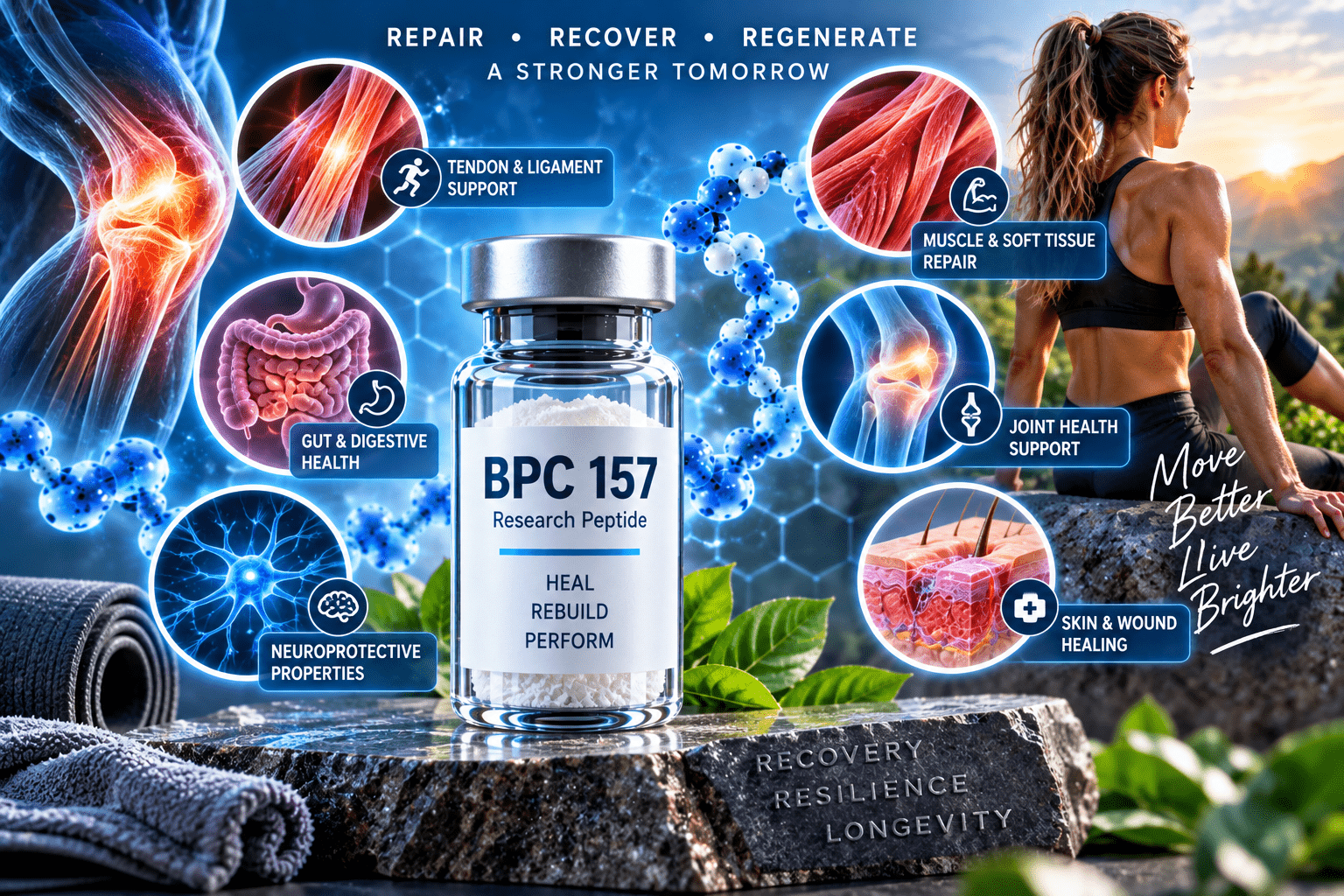
BPC-157 + TB-500: A Comprehensive Guide to Uses, Research, Dosing Information, Forms, and Potential Benefits

The combination of BPC-157 + TB-500 is one of the most commonly discussed peptide pairings in research involving tendon healing, ligament recovery, muscle injury, wound repair, connective tissue, and general tissue regeneration. The pairing is popular because the two compounds are thought to act through different but potentially complementary repair pathways. BPC-157 is primarily associated […]

Continue Reading
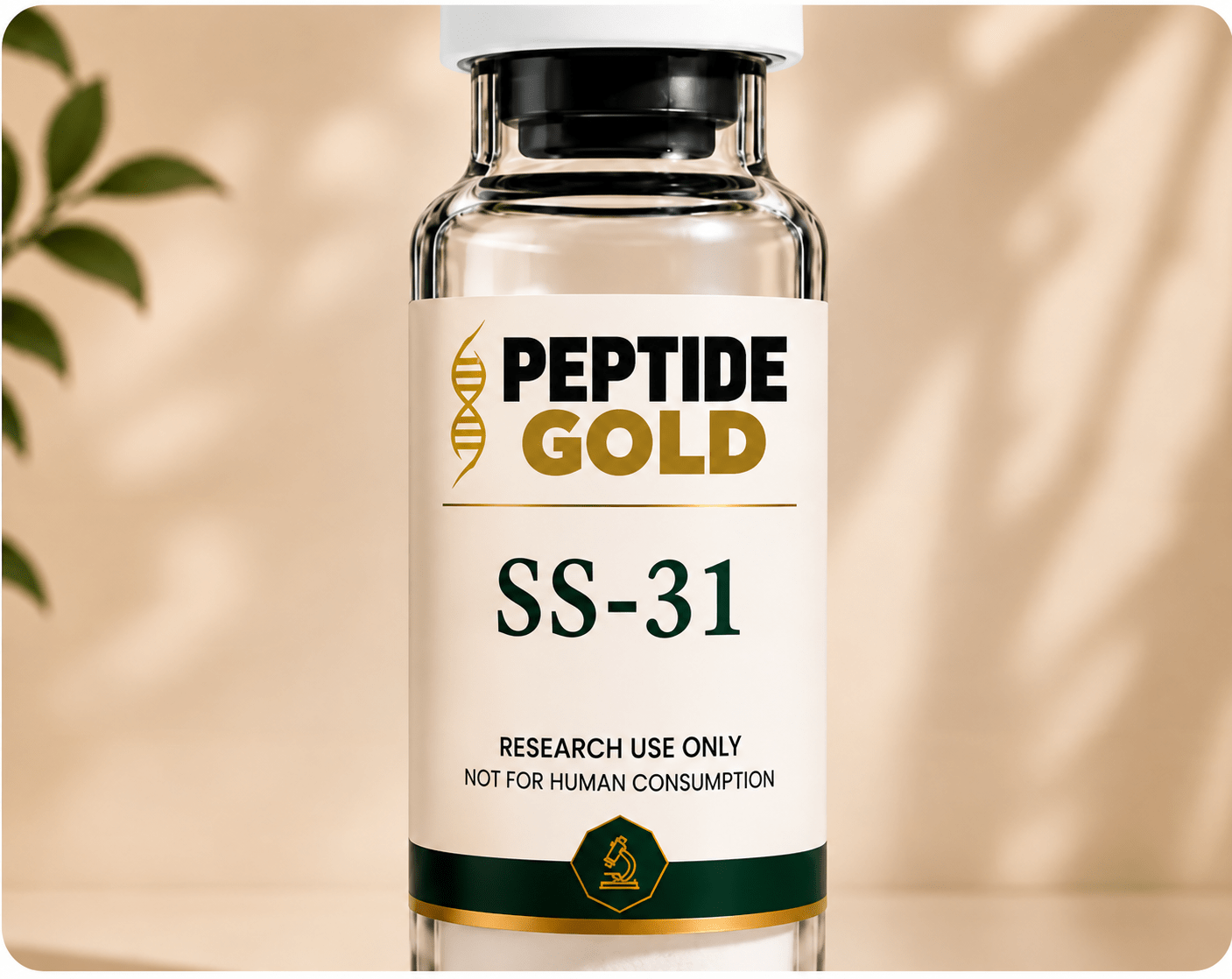
SS-31

SS-31 (Elamipretide): A Comprehensive Guide to Uses, Research, Dosing, Forms, and Potential Benefits

SS-31, better known today as elamipretide, is a mitochondria-targeted tetrapeptide developed to improve the function of the inner mitochondrial membrane. It is also known historically as: MTP-131 and Bendavia. Unlike many peptides that act through hormone receptors or neurotransmitter systems, SS-31 works directly at the level of the mitochondria, particularly by interacting with cardiolipin, a […]

Continue Reading
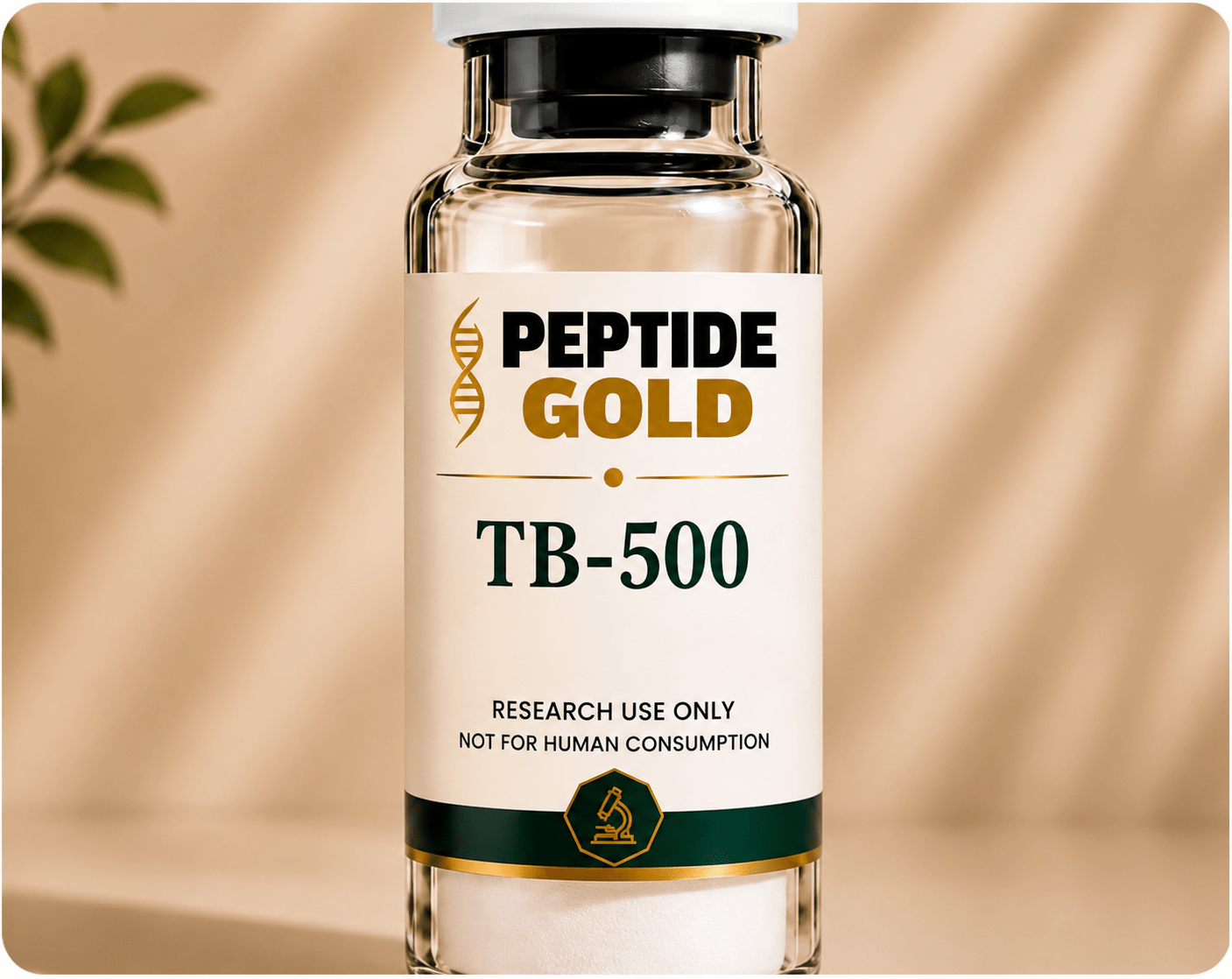
TB-500

TB-500: A Comprehensive Guide to Uses, Research, Dosing, Forms, and Potential Benefits

TB-500 is an experimental peptide most commonly associated with research involving wound healing, tissue repair, cell migration, angiogenesis, tendon and ligament recovery, muscle injury, and regenerative biology. It is frequently described online as though it were simply another name for thymosin beta-4, or Tβ4. That is not technically correct. Current FDA characterization identifies TB-500 as […]

Continue Reading