


Semaglutide: A Comprehensive Guide to Uses, Research, Dosing, Forms, and Potential Benefits
Semaglutide is a peptide-based medication that has become one of the most important drugs in modern diabetes, obesity, and cardiovascular medicine.
It belongs to a class known as GLP-1 receptor agonists, meaning it mimics the activity of the naturally occurring hormone glucagon-like peptide-1, or GLP-1.
GLP-1 is released from the gastrointestinal tract after eating and helps regulate:
- Blood glucose
- Insulin secretion
- Glucagon release
- Gastric emptying
- Appetite
- Satiety
- Food intake
- Body weight
Semaglutide is especially significant because it is not merely an experimental peptide. It is an FDA-approved prescription medication with a large clinical evidence base.
It is marketed under several brand names, including:
Ozempic®, primarily for type 2 diabetes,
Wagovy®, primarily for chronic weight management and cardiovascular risk reduction in certain people with overweight or obesity,
and
Rybelsus®, an oral formulation of semaglutide used in type 2 diabetes.
Large clinical trials have shown that semaglutide can improve glycemic control, produce substantial weight loss, and reduce cardiovascular events in selected high-risk populations. In the SELECT trial, semaglutide 2.4 mg weekly reduced major cardiovascular events by about 20% compared with placebo in people with established cardiovascular disease and overweight or obesity but without diabetes.
What Is Semaglutide?
Semaglutide is a synthetic analogue of human GLP-1.
Natural GLP-1 is a peptide hormone produced mainly by intestinal L cells after food is consumed.
The problem with natural GLP-1 as a medication is that the body breaks it down very quickly.
Semaglutide was engineered to resist enzymatic degradation and remain active much longer.
Its structure also promotes binding to albumin in the bloodstream.
This greatly extends its duration of action.
The resulting pharmacokinetic profile makes once-weekly injection possible.
Semaglutide has a half-life of approximately one week, which is dramatically longer than natural GLP-1.
What Does GLP-1 Normally Do?
GLP-1 is part of the body’s incretin system.
When food enters the digestive tract, incretin hormones help prepare the body to process incoming nutrients.
GLP-1 performs several important functions.
It Stimulates Insulin
When blood glucose rises, GLP-1 encourages pancreatic beta cells to release insulin.
This effect is glucose dependent.
That means the insulin-stimulating action becomes stronger when glucose is elevated and weaker when glucose is normal or low.
This helps explain why semaglutide used alone generally carries less hypoglycemia risk than medications that force insulin release regardless of glucose level.
It Reduces Glucagon
Glucagon has effects that oppose insulin.
It signals the liver to release stored glucose.
Semaglutide reduces inappropriate glucagon secretion when blood glucose is elevated.
It Slows Gastric Emptying
Semaglutide can delay movement of food from the stomach into the small intestine.
This contributes to:
fullness
satiety
and reduced food intake.
The gastric-emptying effect is especially noticeable early in treatment.
It Influences Appetite Centers in the Brain
GLP-1 receptors are present within regions of the brain involved in hunger and energy balance.
Activation can reduce:
hunger
food cravings
and the desire to continue eating after sufficient calories have been consumed.
This central appetite effect is one of the main reasons semaglutide can produce substantial weight loss.
What Is Semaglutide Used For?
Semaglutide now has several established medical applications.
Type 2 Diabetes
Semaglutide was originally developed as a diabetes medication.
Under the brand name Ozempic, once-weekly semaglutide is used to improve blood glucose control in adults with type 2 diabetes.
It can substantially reduce:
fasting glucose
post-meal glucose
and A1C.
Semaglutide has also demonstrated cardiovascular benefit in people with type 2 diabetes who are at high cardiovascular risk.
In the SUSTAIN-6 cardiovascular outcomes trial, the composite rate of cardiovascular death, nonfatal heart attack, or nonfatal stroke was 6.6% with semaglutide versus 8.9% with placebo, corresponding to a hazard ratio of 0.74.
Chronic Weight Management
Higher-dose semaglutide is marketed as Wegovy for chronic weight management.
It is used alongside:
reduced-calorie nutrition
and increased physical activity.
Semaglutide can substantially reduce appetite and caloric intake, which can lead to meaningful long-term weight loss.
Cardiovascular Risk Reduction
Semaglutide has also become important in cardiovascular medicine.
In the SELECT trial, more than 17,600 adults with preexisting cardiovascular disease and overweight or obesity—but without diabetes—received semaglutide 2.4 mg weekly or placebo.
A major cardiovascular event occurred in:
6.5% of the semaglutide group
compared with
8.0% of the placebo group.
That represented approximately a 20% relative reduction in the risk of cardiovascular death, nonfatal heart attack, or nonfatal stroke.
This was an especially important finding because it demonstrated that obesity treatment could reduce major cardiovascular events even in people who did not have diabetes.
Semaglutide and Weight Loss
Weight management is now one of the best-known applications of semaglutide.
The mechanism is primarily driven by:
reduced hunger
increased satiety
smaller meals
and overall lower calorie intake.
Unlike stimulant-based weight-loss drugs, semaglutide does not primarily work by increasing heart rate or central nervous-system stimulation.
Instead, it modifies hormonal signals involved in appetite.
That difference helps explain why many patients describe not simply “forcing themselves not to eat,” but actually feeling less interested in food.
How Much Weight Loss Can Semaglutide Produce?
The amount varies considerably.
Factors include:
dose
starting weight
diet
physical activity
duration of treatment
and individual biological response.
In the major STEP obesity program, semaglutide 2.4 mg once weekly produced average weight loss in the range of roughly 15% of initial body weight in adults without diabetes over approximately 68 weeks.
Some participants lost considerably more.
Others lost much less.
The important point is that the average weight reduction was large enough to move semaglutide beyond the category of modest weight-loss medications and into a new generation of obesity therapy.
Semaglutide Versus Tirzepatide
Semaglutide activates:
GLP-1 receptors.
Tirzepatide activates:
GLP-1 + GIP receptors.
Both can produce significant reductions in body weight and improvements in glucose regulation.
Head-to-head studies have generally shown greater average weight loss with tirzepatide, especially at higher doses.
That does not mean tirzepatide is automatically the better treatment for every individual.
Semaglutide has:
a long clinical track record
multiple approved formulations
extensive cardiovascular data
and proven effectiveness.
Treatment choice depends on tolerability, health history, indications, cost, insurance coverage, and individual response.
Semaglutide Versus Retatrutide
Retatrutide is a newer investigational compound.
It activates:
GIP
GLP-1
and glucagon receptors.
Semaglutide activates only the GLP-1 receptor.
Retatrutide has produced striking weight-loss results in clinical development, but semaglutide has a major advantage:
it is already FDA approved with years of clinical experience and a very large safety database.
Semaglutide Dosing
Unlike most research peptides, semaglutide has established FDA-approved dosing schedules.
The exact schedule depends on:
the product
and the indication.
Wegovy Dosing for Weight Management
Wegovy injection is gradually escalated to improve gastrointestinal tolerability.
The standard escalation pattern begins with:
0.25 mg once weekly for 4 weeks
followed by:
0.5 mg once weekly for 4 weeks
then:
1.0 mg once weekly for 4 weeks
then:
1.7 mg once weekly for 4 weeks
and finally:
2.4 mg once weekly as the usual maintenance dose.
The gradual escalation is important.
Jumping directly to the full dose would dramatically increase the likelihood of nausea, vomiting, and other gastrointestinal symptoms.
Ozempic Dosing for Type 2 Diabetes
Ozempic also begins at:
0.25 mg once weekly for 4 weeks.
This starting dose is primarily intended to improve tolerance and is not considered the full therapeutic dose for glycemic control.
After four weeks, the dose is generally increased to:
0.5 mg once weekly.
If additional glucose control is needed, dosing may later be increased to:
1 mg
and in appropriate patients:
2 mg once weekly.
The specific escalation schedule should follow current prescribing information and individual medical guidance.
Oral Semaglutide
Semaglutide is unusual among peptide-based medications because it also exists as an oral drug.
Rybelsus contains semaglutide formulated with an absorption enhancer that allows a small portion of the molecule to cross the stomach lining.
This is difficult because peptides are normally degraded in the gastrointestinal tract.
Traditional Rybelsus regimens use daily oral tablets rather than weekly administration.
The exact strengths and labeling have evolved with pharmaceutical development, so current product labeling should be used when discussing a specific oral formulation.
Oral Semaglutide and Cardiovascular Outcomes
The oral form has now demonstrated cardiovascular benefit as well.
In the large SOUL trial involving 9,650 people with type 2 diabetes plus atherosclerotic cardiovascular disease, chronic kidney disease, or both, a major cardiovascular event occurred in:
12.0% of participants receiving oral semaglutide
versus
13.8% receiving placebo.
This corresponded to a hazard ratio of 0.86.
This expands the cardiovascular evidence for semaglutide beyond the injectable formulation.
How Is Injectable Semaglutide Administered?
Semaglutide is administered subcutaneously, meaning into the fatty tissue beneath the skin.
Typical injection areas include:
abdomen
thigh
and upper arm.
The injection site should be rotated.
Semaglutide can generally be administered with or without food because weekly injection timing is not dependent on meals.
The long half-life means the medication is given once every seven days.
What Forms Is Semaglutide Offered In?
Semaglutide now exists in several pharmaceutical forms.
Ozempic Injection
Ozempic is supplied in prefilled injection pens.
It is primarily indicated for type 2 diabetes and associated cardiovascular risk reduction.
Wegovy Injection
Wegovy is also supplied as a prefilled subcutaneous injection product.
It uses higher maintenance dosing for chronic weight management.
Rybelsus Tablets
Rybelsus contains oral semaglutide.
It is designed specifically to allow intestinal or gastric absorption of a molecule that normally would be difficult to deliver orally.
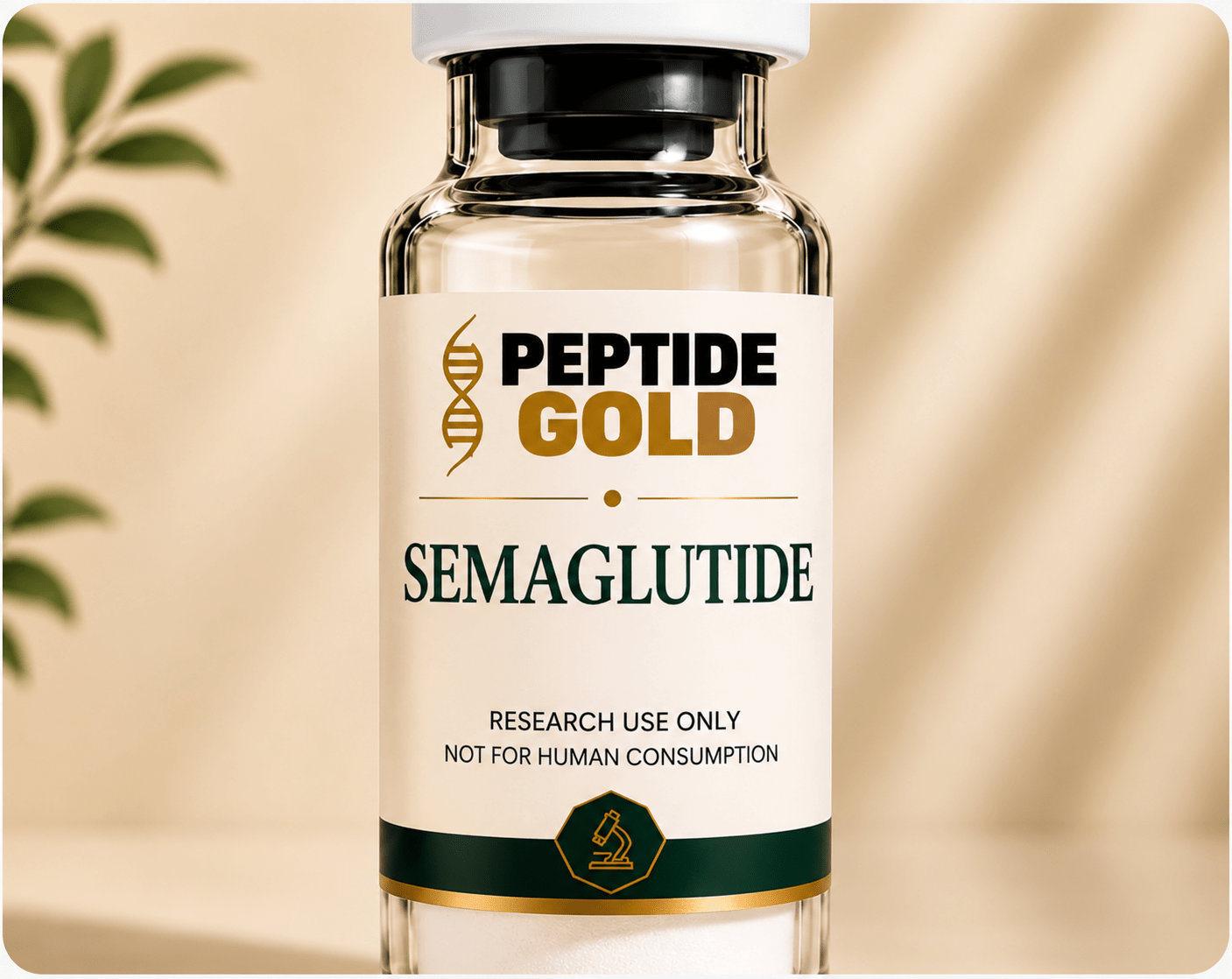
Research-Grade Lyophilized Semaglutide
Semaglutide is also sold through research suppliers as:
lyophilized, or freeze-dried, powder.
This is not equivalent to Ozempic or Wegovy.
FDA-approved pharmaceutical semaglutide is manufactured under strict standards governing:
identity
purity
sterility
potency
stability
and dose accuracy.
A research vial labeled “semaglutide” should not automatically be assumed to possess those characteristics.
Semaglutide and Compounded Products
Compounded semaglutide became increasingly common during periods of branded-product shortages.
Compounding can have a legitimate role when appropriate under pharmacy law, but compounded products are not the same as FDA-approved drugs.
FDA-approved Ozempic and Wegovy have gone through extensive testing and manufacturing review.
Compounded products do not undergo identical premarket FDA review.
Another issue is that some products have been marketed using semaglutide salts such as semaglutide sodium or semaglutide acetate rather than the same active ingredient used in FDA-approved products.
Consumers should not assume every preparation labeled “semaglutide” is chemically or pharmaceutically identical to Ozempic or Wegovy.
Common Side Effects
The most common adverse effects are gastrointestinal.
These include:
- Nausea
- Vomiting
- Diarrhea
- Constipation
- Abdominal discomfort
- Indigestion
- Bloating
Symptoms tend to be strongest:
when treatment first begins
and following dose increases.
This is why gradual titration is so important.
For many people, gastrointestinal symptoms diminish after the body adapts.
Nausea
Nausea is probably the best-known side effect.
Semaglutide slows gastric emptying and alters appetite pathways.
Eating very large meals, especially high-fat meals, may worsen nausea in some people.
The goal during treatment generally is not simply to tolerate discomfort but to identify a dose that balances therapeutic benefit with tolerability.
Constipation
Constipation can also occur.
Reduced food intake itself may contribute because less food means less intestinal bulk.
Adequate:
fluid intake
fiber
and physical activity
may help some people, although persistent symptoms should be discussed with a healthcare professional.
Vomiting and Dehydration
Repeated vomiting or severe diarrhea can cause:
dehydration
and potentially kidney problems.
This becomes particularly important in:
older adults
and people with preexisting kidney disease.
Persistent gastrointestinal symptoms should not simply be ignored.
Pancreatitis
Acute pancreatitis has been reported with GLP-1 receptor agonists.
Symptoms can include:
severe persistent abdominal pain
often radiating toward the back,
with or without vomiting.
Suspected pancreatitis requires prompt medical evaluation.
Although the absolute risk is relatively low, the warning remains clinically important.
Gallbladder Problems
Rapid weight loss itself can increase the risk of:
gallstones
and gallbladder inflammation.
Semaglutide-treated patients can therefore experience gallbladder-related problems, particularly when substantial weight loss occurs.
Possible symptoms include:
right-upper-abdominal pain
fever
nausea
or yellowing of the skin or eyes.
Thyroid C-Cell Tumor Warning
Semaglutide carries an important boxed warning based on animal studies.
In rodents, GLP-1 receptor agonists including semaglutide caused thyroid C-cell tumors.
It is not known whether this occurs in humans.
Semaglutide is generally contraindicated in people with:
a personal or family history of medullary thyroid carcinoma
or
Multiple Endocrine Neoplasia syndrome type 2, or MEN 2.
This warning should not be interpreted as proof that semaglutide causes thyroid cancer in humans.
The human risk remains uncertain.
Diabetic Retinopathy
Semaglutide requires particular consideration in people with diabetic retinopathy.
In SUSTAIN-6, diabetic-retinopathy complications occurred more frequently in the semaglutide group.
One proposed explanation is that very rapid improvement in glucose can temporarily worsen diabetic retinopathy in susceptible patients—a phenomenon previously seen with other aggressive glucose-lowering strategies.
People with established diabetic eye disease may therefore require closer ophthalmologic monitoring when glucose control improves quickly.
Hypoglycemia
Semaglutide alone generally has a relatively low risk of causing severe hypoglycemia because its insulin-stimulating effect is glucose dependent.
Risk increases when it is combined with:
insulin
or
sulfonylureas.
Those medications may need dose adjustment as glucose improves.
Semaglutide and Gastric Emptying
Semaglutide delays gastric emptying.
This effect contributes to fullness and appetite reduction.
It can also influence how rapidly other oral medications are absorbed.
In some people, delayed gastric emptying can become clinically significant.
People with severe gastrointestinal motility disorders may not be ideal candidates.
Gastroparesis
Gastroparesis means abnormally slow emptying of the stomach.
Symptoms can include:
persistent nausea
vomiting
feeling full after only a small amount of food
and abdominal discomfort.
Semaglutide can slow gastric emptying, so preexisting severe gastroparesis requires special caution.
The relationship between GLP-1 medications and persistent gastric symptoms remains an important area of research.
Semaglutide and Surgery or Anesthesia
Because food may remain in the stomach longer, there has been concern about aspiration during:
general anesthesia
or deep sedation.
Patients using semaglutide should inform their surgical and anesthesia teams.
Clinical recommendations about withholding GLP-1 medications before procedures have evolved and may depend on symptoms, dose escalation, type of procedure, and individual risk.
Current medical guidance should therefore be followed rather than relying on a universal rule.
Semaglutide and Muscle Loss
Substantial weight loss almost always involves some reduction in lean tissue as well as fat.
This can happen with:
dieting
bariatric surgery
and weight-loss medications.
For semaglutide users, preserving lean mass can be especially important.
Common strategies include:
adequate protein intake
resistance training
regular physical activity
and avoiding unnecessarily severe calorie restriction.
The goal is generally not merely the lowest number on the scale.
It is better body composition and metabolic health.
Semaglutide and Cardiovascular Health
The cardiovascular evidence is one of semaglutide’s strongest advantages.
In SELECT, semaglutide 2.4 mg weekly reduced the risk of cardiovascular death, nonfatal heart attack, or nonfatal stroke by about 20% in people with cardiovascular disease and overweight or obesity without diabetes.
This was a landmark result.
It demonstrated that pharmacologically treating obesity can potentially reduce actual cardiovascular events rather than simply improving body weight or laboratory values.
Semaglutide and Kidney Health
GLP-1 receptor agonists also appear to have important kidney-related effects.
Semaglutide has been studied in people with type 2 diabetes and chronic kidney disease.
The broader evidence suggests potential reductions in kidney disease progression and cardiovascular complications in appropriately selected patients.
Kidney benefit is now an increasingly important part of how GLP-1 therapy is viewed—not merely as glucose lowering, but as broader cardiometabolic treatment.
Semaglutide and Liver Disease
Obesity and insulin resistance are major drivers of metabolic dysfunction-associated steatotic liver disease, previously called NAFLD.
Because semaglutide can produce substantial weight reduction and improve metabolic health, researchers have extensively studied it in:
fatty liver
steatohepatitis
and liver fibrosis.
Improvement in liver fat and inflammatory markers has been reported in several studies.
Whether semaglutide becomes a central long-term therapy for particular liver-disease populations depends on specific indications and evolving regulatory approvals.
Semaglutide and Addiction Research
GLP-1 signaling also interacts with brain reward pathways.
This has generated increasing interest in whether semaglutide could influence:
alcohol intake
nicotine
compulsive eating
or other reward-related behaviors.
Early observational and experimental findings are intriguing.
However, semaglutide is not currently an established general treatment for addiction.
This remains an active research field.
What Happens When Semaglutide Is Stopped?
This is one of the most important practical questions.
Semaglutide reduces appetite while treatment continues.
When the medication is discontinued, the biological appetite signals that contributed to obesity can return.
Weight regain is therefore common after treatment stops.
This does not mean the medication “caused dependency” in the conventional sense.
Rather, it reflects the chronic biological nature of obesity.
The same principle applies to:
blood-pressure medications
cholesterol drugs
and many other chronic-disease therapies.
If treatment controls an underlying biological process, stopping treatment can allow that process to return.
Is Semaglutide a Short-Term Weight-Loss Cycle?
Generally, it is better understood as a long-term chronic-disease therapy when used for obesity.
Using it for a few weeks solely to lose a small amount of cosmetic weight is very different from the populations studied in major clinical trials.
The most robust evidence involves people with:
obesity
or medically significant overweight and related health risk.
Is Semaglutide FDA Approved?
Yes.
Semaglutide is an FDA-approved prescription medication.
Approved products include different formulations and indications.
Ozempic is associated primarily with type 2 diabetes and cardiovascular-risk management.
Wegovy is associated with chronic weight management and cardiovascular-risk reduction in qualifying adults with overweight or obesity.
Rybelsus provides an oral semaglutide option for type 2 diabetes.
This makes semaglutide fundamentally different from many substances sold only through research-peptide channels.
Current Research in 2026
Semaglutide remains one of the most actively studied metabolic medications even though it is already well established.
Researchers continue examining its effects in:
cardiovascular disease
kidney disease
liver disease
heart failure
brain reward pathways
addiction
inflammation
and long-term obesity management.
The cardiovascular evidence continues to strengthen.
SELECT demonstrated a 20% reduction in major cardiovascular events among people with obesity or overweight and established cardiovascular disease without diabetes.
The SOUL trial subsequently demonstrated that oral semaglutide also reduced major cardiovascular events in high-risk people with type 2 diabetes, with events occurring in 12.0% of oral-semiglutide recipients versus 13.8% of placebo recipients.
These results support a much broader view of semaglutide than simply “a diabetes drug that causes weight loss.”
What Research Is Still Needed?
Despite an enormous evidence base, important questions remain.
Researchers continue investigating:
very long-term weight maintenance
optimal duration of therapy
how to preserve muscle during large weight loss
which patients respond best
predictors of gastrointestinal intolerance
long-term cardiovascular effects
kidney protection
liver outcomes
and whether benefits extend to additional neurological or behavioral conditions.
Researchers are also trying to understand why some people lose more than 20% of their body weight while others respond much less dramatically.
That may eventually lead to more personalized obesity treatment.
The Bottom Line
Semaglutide is a long-acting GLP-1 receptor agonist that has transformed treatment of type 2 diabetes and obesity.
It mimics the naturally occurring incretin hormone GLP-1 and influences:
insulin secretion
glucagon
gastric emptying
appetite
satiety
food intake
and body weight.
Unlike most research peptides, semaglutide is supported by an extensive human clinical evidence base and multiple FDA-approved pharmaceutical products.
It can produce substantial improvements in blood glucose and meaningful long-term weight reduction.
Its benefits now extend beyond those two outcomes.
The SELECT cardiovascular trial involving more than 17,600 adults demonstrated that semaglutide 2.4 mg once weekly reduced the risk of cardiovascular death, nonfatal heart attack, or nonfatal stroke by approximately 20% among people with established cardiovascular disease and overweight or obesity but without diabetes.
The cardiovascular evidence also applies to oral semaglutide in high-risk type 2 diabetes. In the SOUL trial, major cardiovascular events occurred in 12.0% of patients receiving oral semaglutide versus 13.8% receiving placebo.
Semaglutide also has something that research peptides generally do not:
established dosing protocols.
For obesity treatment with injectable Wegovy, treatment typically begins at:
0.25 mg once weekly
and gradually increases through:
0.5 mg
1.0 mg
1.7 mg
and ultimately 2.4 mg once weekly.
That gradual escalation is essential because the most common adverse effects involve the gastrointestinal system.
Potential side effects include:
nausea
vomiting
diarrhea
constipation
abdominal symptoms
and, less commonly, more serious issues involving pancreatitis, gallbladder disease, dehydration-related kidney problems, and severe gastrointestinal symptoms.
Semaglutide also carries a boxed warning involving thyroid C-cell tumors seen in rodents and is generally avoided in people with a personal or family history of medullary thyroid carcinoma or MEN 2.
Another important distinction involves product quality.
FDA-approved Ozempic, Wegovy, and Rybelsus are pharmaceutical products manufactured to regulated standards.
A lyophilized vial or research-market product labeled semaglutide should not automatically be assumed to be chemically, pharmaceutically, or clinically equivalent.
Perhaps the most accurate way to describe semaglutide in 2026 is:
a clinically established GLP-1 peptide medication with proven effects on glucose control, appetite, body weight, and cardiovascular risk, backed by one of the largest evidence bases of any modern metabolic therapy.
For researchers, semaglutide helped validate the idea that manipulating gastrointestinal hormone signaling can dramatically change both metabolism and eating behavior.
For patients and consumers, the most important distinction is that semaglutide is not simply a cosmetic “weight-loss peptide.”
It is a potent prescription therapy for chronic metabolic disease with established benefits, known risks, standardized dosing, and extensive human clinical research.
Educational and medical notice: This article is intended for general scientific and educational information and is not individualized medical advice. FDA-approved semaglutide should be used according to its approved indication, prescribing information, contraindications, and medical supervision. Dosing discussed above describes established pharmaceutical regimens and should not be applied to unapproved research-grade or compounded products without appropriate professional oversight.