


human body repair itself

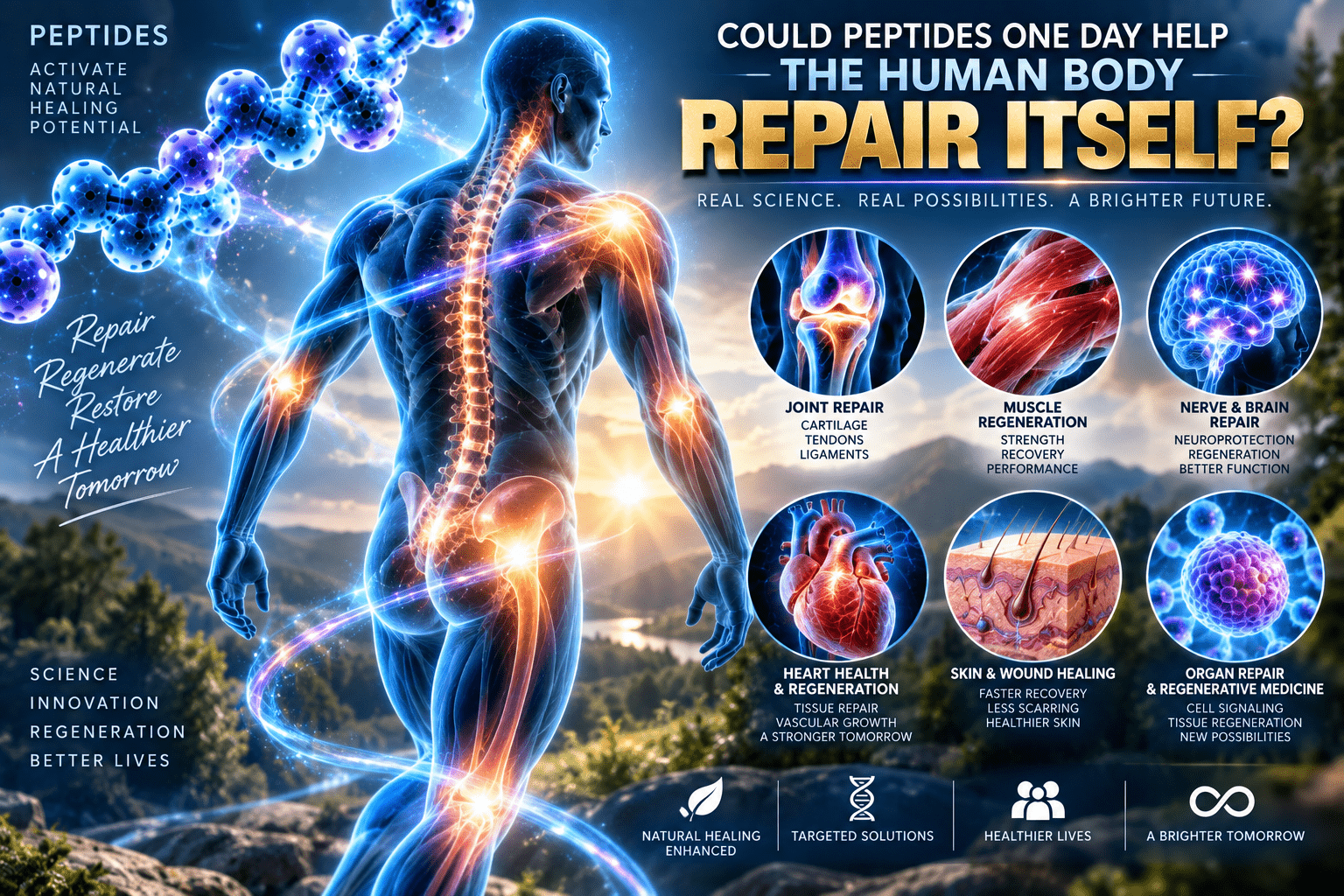
Could Peptides One Day Help the Human Body Repair Itself?

Imagine suffering a serious knee injury and receiving a treatment designed not simply to reduce the pain, but to help damaged tissue rebuild itself. Imagine a damaged peripheral nerve being given molecular instructions that encourage nerve fibers to reconnect. Imagine a severe wound healing with less scar tissue because researchers learned how to precisely control […]

Continue Reading
Cartalax

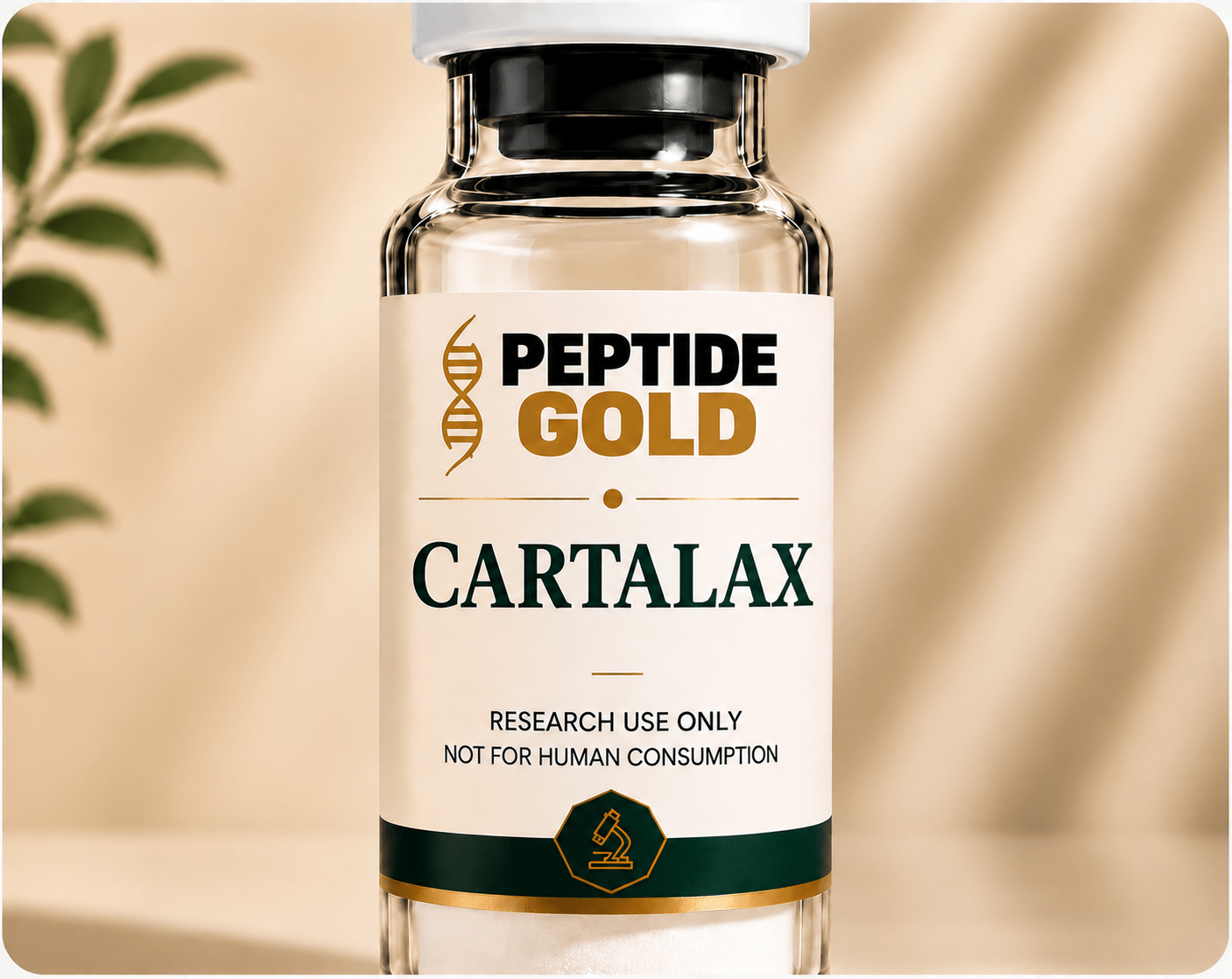
Cartalax: A Comprehensive Guide to Uses, Research, Dosing Information, Forms, and Potential Benefits

Cartalax is an experimental short peptide that has attracted attention in the growing field of peptide bioregulators, particularly because of its proposed relationship with cartilage, connective tissue, cellular aging and musculoskeletal research. Unlike many larger peptides composed of dozens of amino acids, Cartalax is remarkably small. It consists of only three amino acids: Alanine – […]

Continue Reading
The amazing peptide future

What Amazing Things Peptide Research Could Accomplish In The Near Future

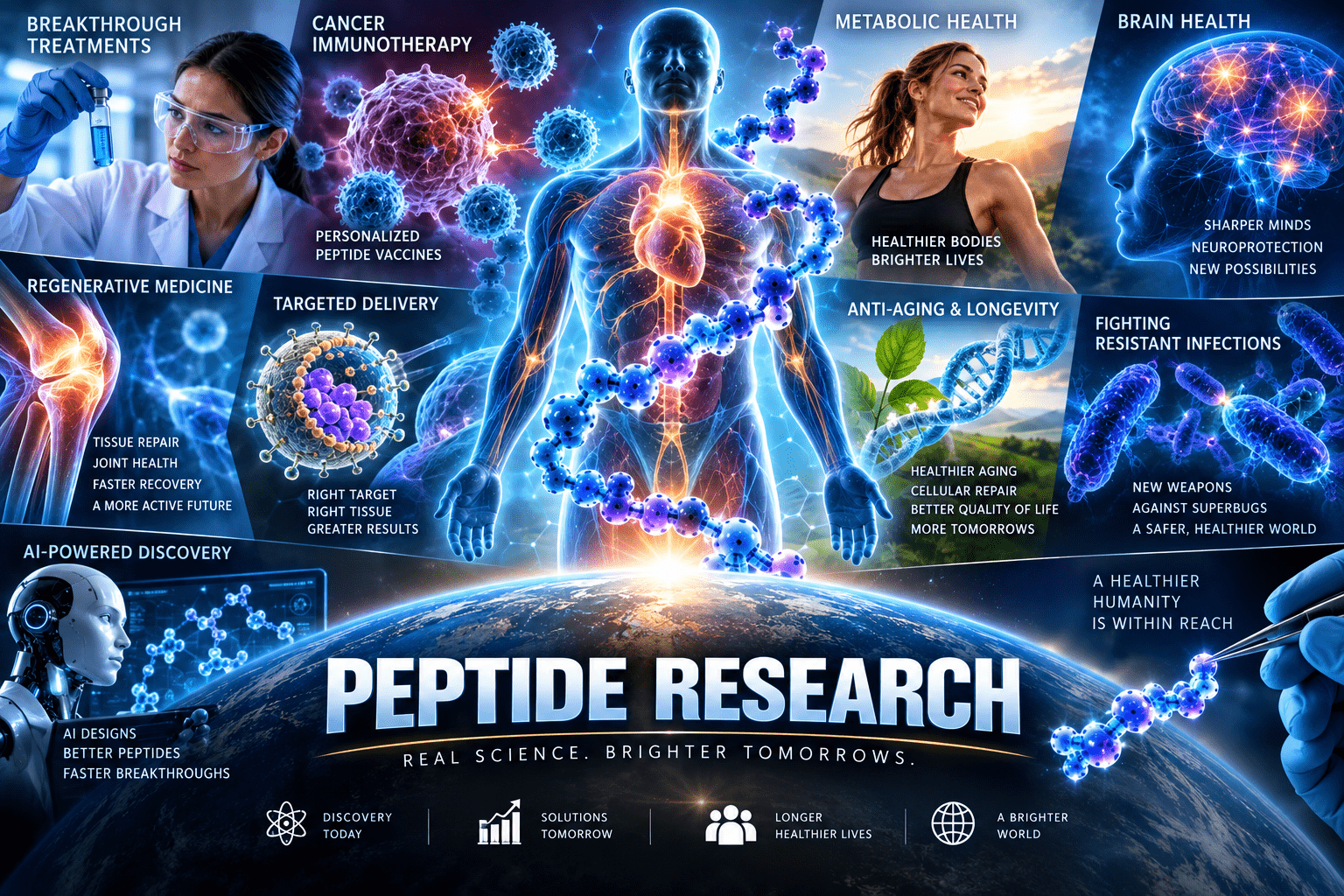
Imagine visiting a doctor 10 or 15 years from now. Instead of simply prescribing a medication for high blood pressure, another for blood sugar, another for inflammation, another for weight management, and another for cardiovascular risk, your physician might have access to a precisely engineered peptide designed to influence several interconnected biological pathways at once. […]

Continue Reading
Clinical Research

Serious Clinical Peptide Research and Trials Being Conducted Currently

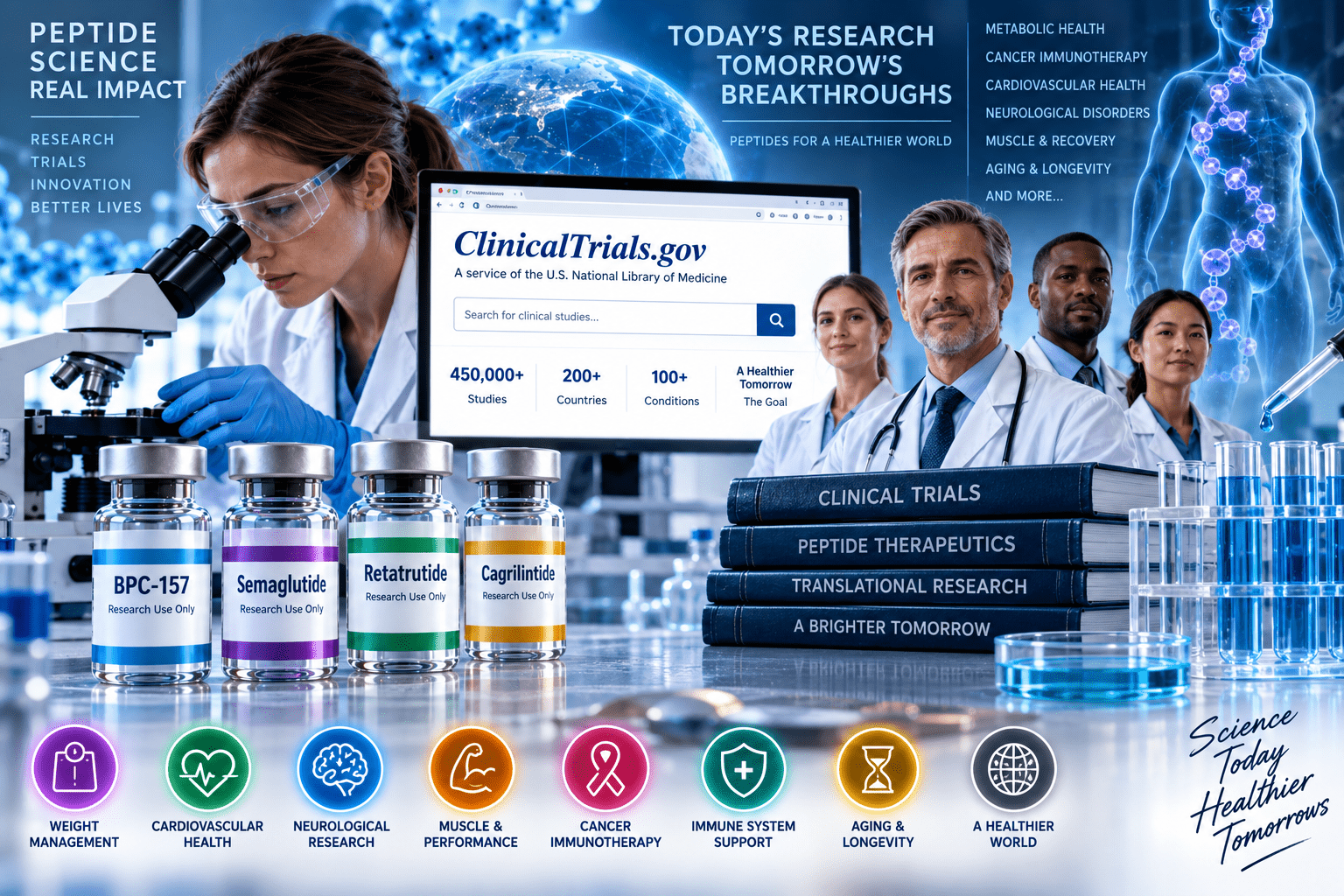
Peptides have become one of the most important areas of modern biomedical research. While much of the public discussion surrounding peptides focuses on weight management, body composition, recovery, or compounds sold specifically for laboratory research, the scientific world surrounding peptides is considerably larger. Researchers, universities, pharmaceutical companies, cancer centers, and biotechnology companies are investigating peptide-based […]

Continue Reading
ARA-290

ARA-290: A Comprehensive Guide to Uses, Research, Dosing Information, Forms, and Potential Benefits

ARA-290 is an experimental peptide that has attracted significant scientific interest for a reason that separates it from many compounds in the research-peptide world: it has already been evaluated in controlled human clinical studies. Also known as cibinetide, ARA-290 has been investigated primarily for its potential anti-inflammatory, tissue-protective and nerve-repair effects. Much of the most […]

Continue Reading
AHK-cu

AHK-Cu: A Comprehensive Guide to Uses, Research, Dosing Information, Forms, and Potential Benefits

AHK-Cu is one of the lesser-known members of the copper peptide family, but it has attracted growing interest among researchers and cosmetic formulators—particularly in the area of hair follicle biology, scalp health, tissue remodeling, and regenerative research. AHK-Cu is closely related to the much better-known copper peptide GHK-Cu. The two compounds differ by only one […]

Continue Reading
HPLC and Mass Spectrometry: How Research Peptide Purity and Identity Are Tested

HPLC and Mass Spectrometry: How Research Peptide Purity and Identity Are Tested

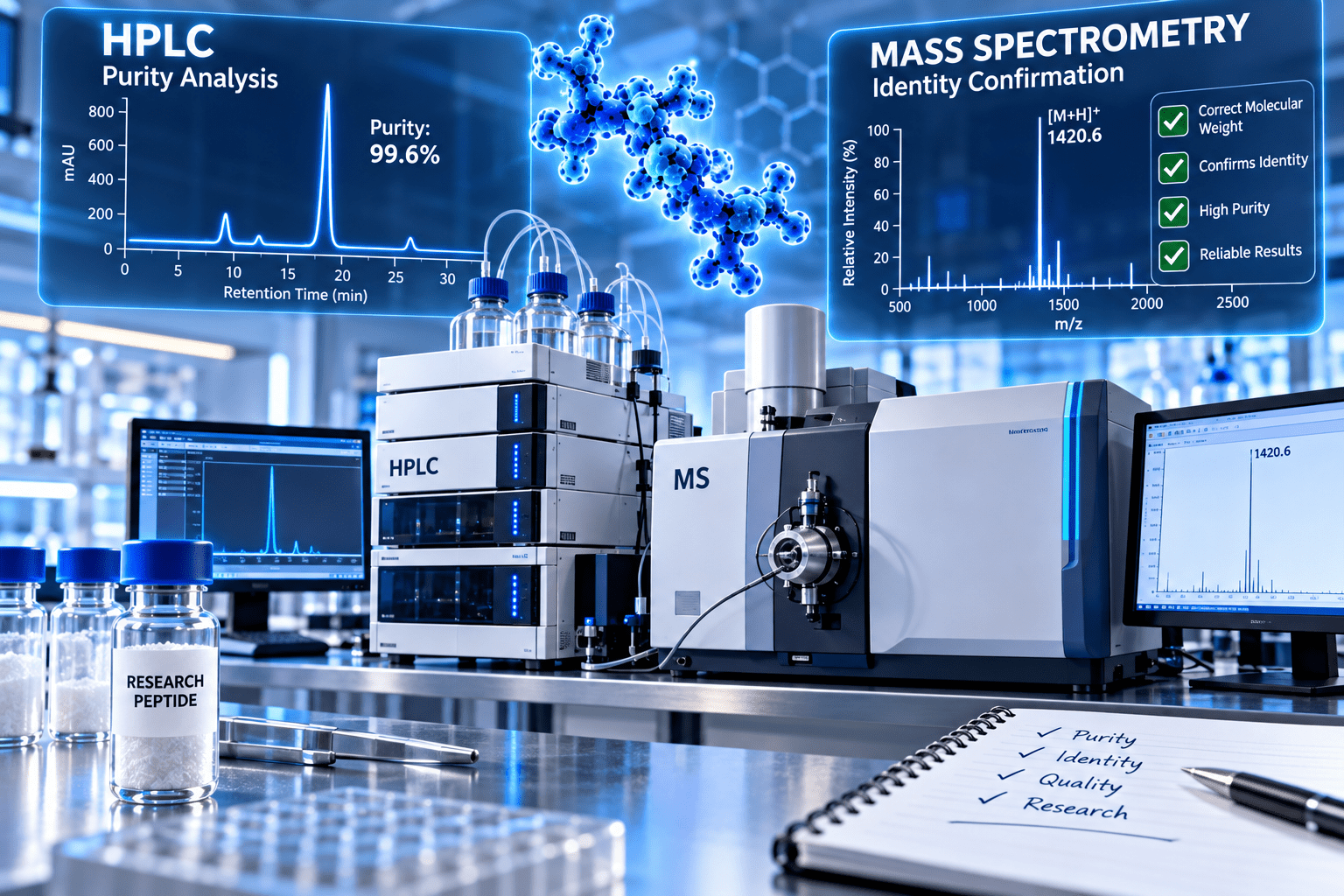
Two abbreviations appear constantly in discussions about research peptide quality: HPLC and MS. HPLC stands for High-Performance Liquid Chromatography. MS stands for Mass Spectrometry. Together, these analytical technologies provide researchers with powerful tools for examining peptide samples. Yet the two techniques do very different things. Understanding the difference helps explain why reputable peptide analysis frequently […]

Continue Reading
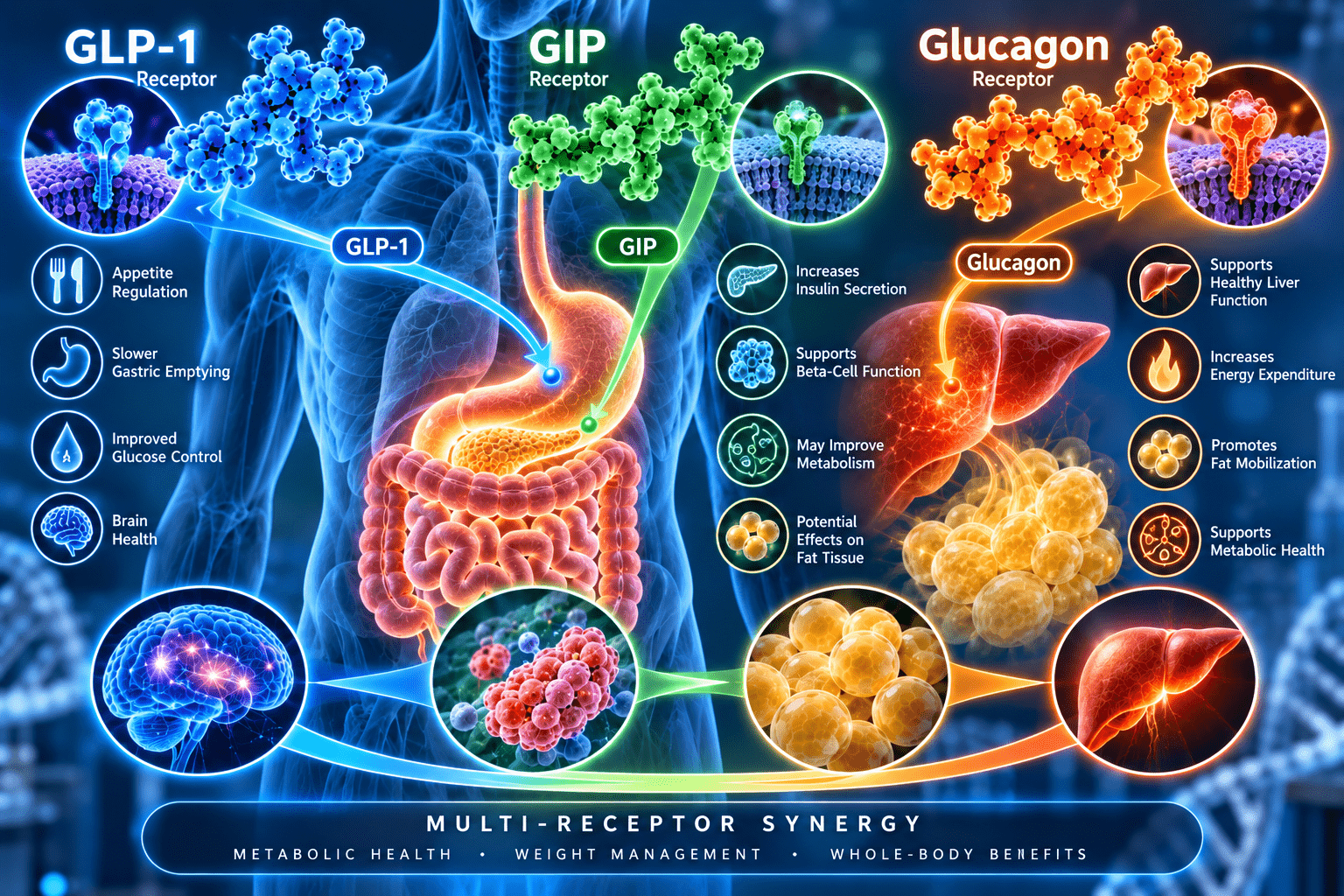
GLP-1, GIP, and Glucagon: Understanding the Science Behind Multi-Receptor Peptides

GLP-1, GIP, and Glucagon: Understanding the Science Behind Multi-Receptor Peptides

Some of the most exciting research in metabolic science centers around three hormones: GLP-1. GIP. Glucagon. Individually, each participates in the complicated biological system controlling glucose, appetite, digestion and energy metabolism. Increasingly, scientists are asking a fascinating question: What happens when one engineered molecule influences two—or even all three—of these receptor systems simultaneously? The answer […]

Continue Reading