


Wolverine (BPC-157 + TB-500)

BPC-157 + TB-500: A Comprehensive Guide to Uses, Research, Dosing Information, Forms, and Potential Benefits

The combination of BPC-157 + TB-500 is one of the most commonly discussed peptide pairings in research involving tendon healing, ligament recovery, muscle injury, wound repair, connective tissue, and general tissue regeneration. The pairing is popular because the two compounds are thought to act through different but potentially complementary repair pathways. BPC-157 is primarily associated […]

Continue Reading
Semax + Selank

Semax + Selank: A Comprehensive Guide to Uses, Research, Dosing Information, Forms, and Potential Benefits

The combination of Semax + Selank has become increasingly popular in peptide and nootropic research because the two compounds are often viewed as complementary. Semax is generally associated with cognition, attention, neuroprotection, neuroplasticity, BDNF-related signaling, and recovery from neurological stress. Selank is more strongly associated with anxiety regulation, stress resilience, emotional stability, and GABA/enkephalin-related signaling. […]

Continue Reading
PT-141

PT-141 (Bremelanotide): A Comprehensive Guide to Uses, Research, Dosing, Forms, and Potential Benefits

PT-141, better known by its generic pharmaceutical name bremelanotide, is a synthetic peptide that acts on the body’s melanocortin receptor system. It is most widely discussed in connection with: sexual desire sexual arousal erectile function and broader central nervous system pathways involved in sexual response. PT-141 is particularly interesting because it works very differently from […]

Continue Reading
NAD+

NAD+: A Comprehensive Guide to Uses, Research, Dosing, Forms, and Potential Benefits

NAD+, short for nicotinamide adenine dinucleotide, is one of the most important molecules involved in cellular energy production, metabolism, DNA repair, mitochondrial function, and cellular stress responses. Although NAD peptide is frequently grouped with peptides in longevity, wellness, and metabolic-health discussions, it is not actually a peptide. It is a naturally occurring coenzyme present in […]

Continue Reading
MOTS-c

MOTS-c: A Comprehensive Guide to Uses, Research, Dosing, Forms, and Potential Benefits

MOTS-c is an experimental peptide that has generated growing interest in research involving mitochondrial function, insulin sensitivity, glucose metabolism, exercise performance, obesity, metabolic health, inflammation, and aging. What makes MOTS-c especially unusual is where it comes from. Most peptides in the body are encoded by genes located in the cell nucleus. MOTS-c is different because […]

Continue Reading
Melanotan II Peptide

Melanotan II: A Comprehensive Guide to Uses, Research, Dosing, Forms, and Potential Benefits

Melanotan II, often shortened to MT-II, is a synthetic peptide best known for its effects on skin pigmentation, tanning, sexual function, appetite, and melanocortin signaling. It was originally developed as an analogue of alpha-melanocyte-stimulating hormone, or α-MSH, a naturally occurring peptide involved in pigmentation and several other physiological functions. Melanotan II is especially unusual because […]

Continue Reading

Epithalon: A Comprehensive Guide to Uses, Research, Dosing, Forms, and Potential Benefits

Epithalon, also commonly spelled Epitalon, is an experimental peptide that has attracted attention primarily because of research involving telomeres, telomerase, cellular aging, melatonin production, circadian rhythms, and longevity. Unlike many metabolic or growth-hormone-related peptides, Epithalon is extremely small. It consists of only four amino acids: Ala-Glu-Asp-Gly or AEDG. That makes it a tetrapeptide. Epithalon was […]

Continue Reading

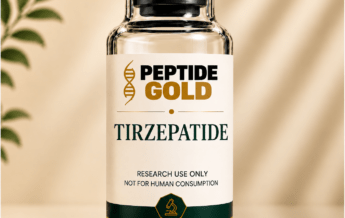
Tirzepatide: A Comprehensive Guide to Uses, Research, Dosing, Forms, and Potential Benefits

Tirzepatide is one of the most important medications to emerge in modern metabolic medicine. It is a once-weekly injectable peptide-based medication that activates two hormone receptors involved in blood sugar control, appetite, and body weight: GIP — glucose-dependent insulinotropic polypeptide and GLP-1 — glucagon-like peptide-1. Because it targets both receptors simultaneously, tirzepatide is commonly described […]

Continue Reading

GLOW Peptide Blend: A Comprehensive Guide to Components, Uses, Research, Dosing Information, Forms, and Potential Benefits

The GLOW peptide blend has become increasingly popular in peptide research because it combines several compounds associated with skin remodeling, collagen production, wound healing, tissue repair, hair-related research, and recovery. Unlike compounds such as BPC-157, semaglutide, or CJC-1295, however, GLOW is not a single peptide. “GLOW” is a commercial or research-market name used for a […]

Continue Reading

BPC-157: A Comprehensive Guide to Uses, Research, Dosing, Forms, and Potential Benefits

Few experimental peptides have developed as much attention within sports medicine, recovery, and regenerative research communities as BPC-157. BPC-157 is most commonly discussed in connection with tendon and ligament healing, muscle recovery, wound repair, gastrointestinal protection, inflammation, and recovery from musculoskeletal injuries. It has become particularly well known among athletes and fitness communities, where it […]

Continue Reading