

What Amazing Things Peptide Research Could Accomplish In The Near Future
Imagine visiting a doctor 10 or 15 years from now.
Instead of simply prescribing a medication for high blood pressure, another for blood sugar, another for inflammation, another for weight management, and another for cardiovascular risk, your physician might have access to a precisely engineered peptide designed to influence several interconnected biological pathways at once.
Cancer treatment might begin with sequencing your individual tumor and manufacturing a personalized peptide vaccine containing molecular targets unique to your cancer.
A serious injury might someday be treated not only by controlling pain but by delivering signals intended to encourage specific repair processes exactly where they are needed.
Neurological treatments could potentially use engineered peptides designed to reach previously difficult biological targets inside the brain.
And artificial intelligence might search billions of possible peptide sequences to discover molecules that humans would never have thought to design.
None of these outcomes is guaranteed.
But remarkably, pieces of this future are already being investigated.
A 2025 review identified 287 peptides undergoing clinical evaluation across areas ranging from antimicrobial treatments and cancer therapeutics to surgical guidance. Meanwhile, advances in chemical engineering, artificial intelligence, drug delivery and cell-penetrating peptides are expanding what researchers can attempt.
The most exciting question may therefore no longer be:
What can peptides do?
It may eventually become:
What biological problem could we design a peptide to solve?
And that opens the door to some extraordinary possibilities.
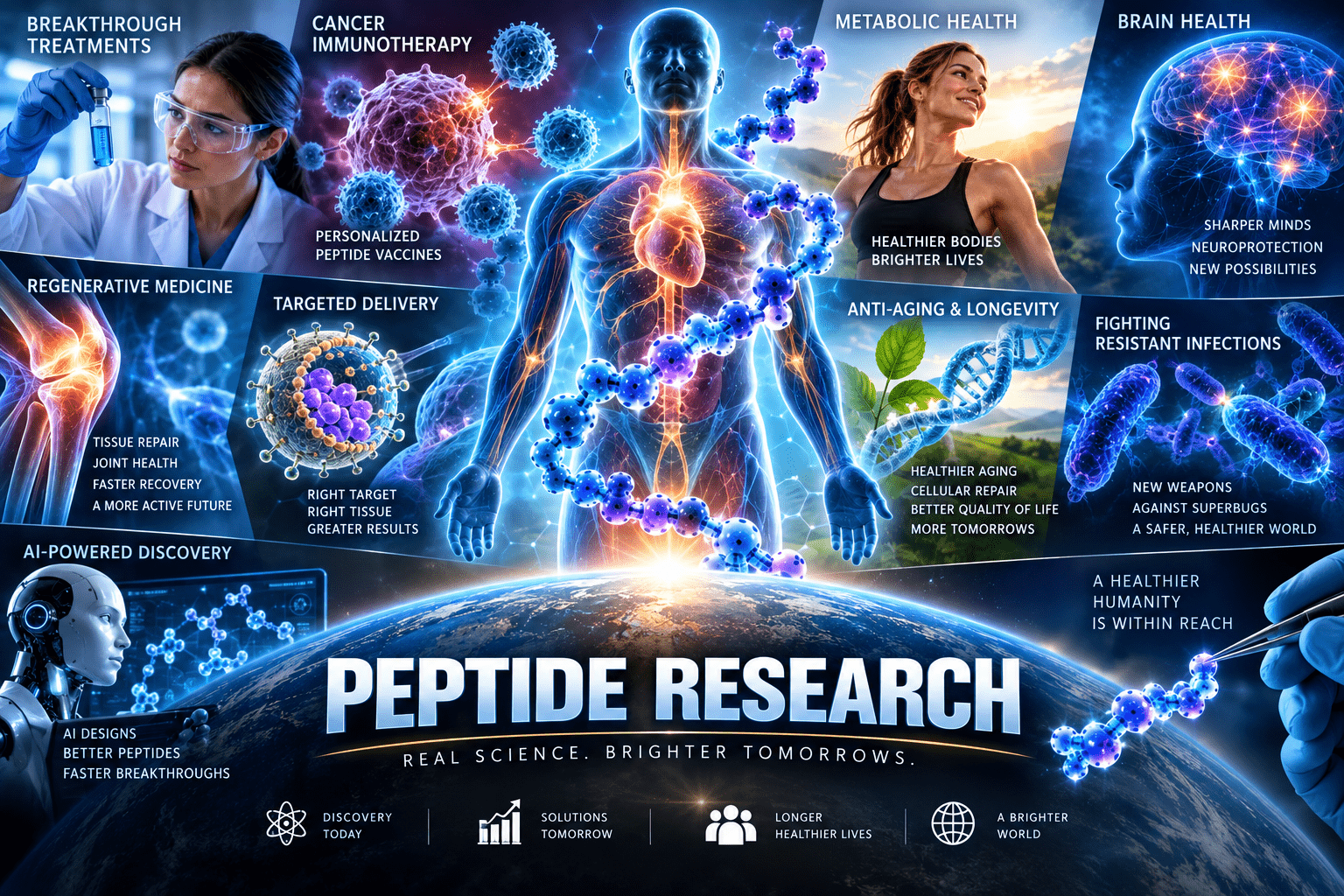
1. Personalized Cancer Vaccines Made Specifically for You
One of the most futuristic ideas in medicine is already entering human clinical research.
Researchers can sequence a patient’s tumor, identify mutations that distinguish cancer cells from normal cells, predict which abnormalities could be recognized by the immune system, and manufacture peptides corresponding to those targets.
Those peptides can then become components of a personalized cancer vaccine.
ClinicalTrials.gov already lists studies investigating personalized peptide vaccines for solid tumors. A recruiting Washington University Phase 1 study, for example, uses synthetic long peptides corresponding to prioritized cancer neoantigens and is examining whether vaccination can generate measurable tumor-specific T-cell responses.
Other studies are investigating personalized peptide vaccines for pancreatic and colorectal cancers, melanoma, breast cancer, lung cancer and fusion-driven sarcomas.
Think about where this could eventually lead.
Today we often classify cancer primarily by where it occurs: lung cancer, pancreatic cancer, breast cancer or colon cancer.
Tomorrow’s treatment could increasingly ask:
What makes this particular patient’s cancer molecularly unique?
If personalized peptide vaccines ultimately prove effective, cancer treatment could become dramatically more individualized.
Instead of simply treating the organ where cancer originated, medicine could attack the molecular fingerprint of the cancer itself.
That would be an extraordinary transformation.
2. Teaching the Immune System to Hunt Microscopic Cancer
An even more ambitious possibility would be using peptide vaccines when almost no cancer remains.
Modern blood tests can sometimes detect molecular evidence of residual cancer through circulating tumor DNA.
Imagine a patient undergoing surgery and conventional treatment until imaging shows no detectable tumor.
Instead of simply waiting and hoping the cancer never returns, doctors might someday identify molecular evidence of residual disease and manufacture a peptide vaccine designed to teach the patient’s immune system what remaining cancer cells look like.
The objective would be remarkable:
Find and destroy microscopic cancer before it becomes a visible tumor again.
This is not merely science fiction. Clinical researchers are already exploring personalized peptide vaccines in patients with molecular residual disease.
Whether the strategy ultimately works broadly remains unknown.
But the concept represents one of the most exciting potential applications of peptide science: turning the immune system into a continuously patrolling molecular surveillance system.
3. One Peptide Could Potentially Influence Several Diseases at Once
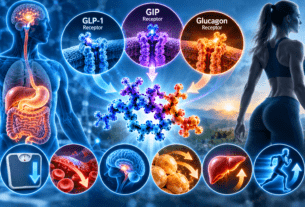
The development of multi-receptor metabolic peptides has introduced another powerful idea.
Historically, drugs often targeted one receptor or biological pathway.
Researchers are increasingly designing molecules that deliberately coordinate several pathways.
That changes the question from:
“Which receptor should we activate?”
to:
“What combination of biological signals produces the best overall result?”
Imagine metabolic treatments engineered not merely to lower body weight but to simultaneously influence appetite, glucose regulation, insulin sensitivity, energy expenditure, liver metabolism, cardiovascular risk and perhaps other consequences of metabolic disease.
This could eventually produce something closer to metabolic systems engineering than traditional pharmacology.
Instead of treating obesity, diabetes, fatty liver disease and cardiovascular risk as completely separate problems, future medicines might target biological pathways connecting several of them.
That would represent a major conceptual shift.
4. Protecting Muscle While Reducing Excess Body Fat
Future weight-management research may become much more sophisticated than simply measuring pounds lost.
Two people can each lose 40 pounds while experiencing very different changes in body composition.
Future peptide combinations could potentially be engineered to promote substantial fat reduction while helping preserve skeletal muscle and physical function.
Researchers are already becoming increasingly interested in body composition, muscle quality and functional outcomes during major weight reduction.
Imagine eventually seeing metabolic treatment goals expressed not simply as:
Lose 20% of body weight.
But instead:
Reduce visceral fat, preserve muscle, improve insulin sensitivity, protect cardiovascular function and maintain physical strength.
The future of metabolic medicine could become less about being lighter and much more about becoming metabolically healthier.
5. Peptides Could Become Molecular Delivery Vehicles
One of the biggest challenges in medicine is getting a treatment to the right place.
A powerful drug is not particularly useful if it cannot reach its biological target.
This is where peptide engineering becomes especially interesting.
Certain peptides can recognize specific receptors, tissues or cellular structures. Others can help cargo enter cells.
Researchers are therefore investigating peptides not simply as medicines themselves, but as delivery systems.
Imagine attaching a therapeutic payload to a peptide that recognizes a molecular marker disproportionately expressed on diseased cells.
The peptide becomes something like a biological address label.
Instead of distributing a treatment broadly throughout the body, future therapies could increasingly attempt to deliver it where it is actually needed.
Recent research on intelligent drug-delivery technologies is moving toward precise distribution, programmable release and even systems that can respond to changing physiological conditions.
The long-term goal sounds almost futuristic:
Right medicine. Right tissue. Right concentration. Right time.
6. Smart Medicines That Respond to the Body
Take targeted delivery one step further.
What if medicine could respond dynamically to biological conditions?
Imagine microscopic delivery systems containing peptide therapeutics that sense changes in glucose, inflammation, enzymes, pH or other biological signals.
Instead of releasing the same amount continuously, a system might someday alter drug release according to what is happening inside the body.
Nature already does something conceptually similar.
Our bodies continuously release signaling molecules in response to changing physiological conditions.
Future peptide delivery technologies could potentially imitate aspects of this biological responsiveness.
Research into intelligent and miniaturized drug-delivery devices is already exploring real-time sensing, adaptive control and programmable drug release.
Eventually, medicine could become less like taking a pill and more like installing a temporary biological control system.
7. Repairing Cartilage and Improving Joint Treatment
Cartilage presents an enormous medical challenge because it has limited capacity for self-repair.
Millions of people experience progressive joint degeneration, and advanced disease can eventually require joint replacement.
Peptide researchers are investigating approaches relevant to orthopaedics, including tissue targeting, regeneration, antimicrobial activity and sustained local delivery.
A 2026 review in The Journal of Bone and Joint Surgery describes how peptide engineering has advanced toward cartilage-penetrating and sustained local drug-delivery candidates, although no peptide-based disease-modifying osteoarthritis drug has yet achieved clinical validation.
That last qualification is important.
But imagine what success could eventually mean.
Instead of waiting for cartilage damage to progress until surgery becomes necessary, future treatments might attempt to deliver therapeutic signals directly into affected joint tissues.
The ultimate dream would not simply be:
Make the knee hurt less.
It would be:
Change the biological process damaging the knee.
That is a much more ambitious objective.
8. Helping the Body Repair Injuries More Intelligently
Regenerative medicine may eventually become another major peptide frontier.
When tissue is injured, the body launches an extraordinarily complicated response involving inflammation, immune cells, blood vessels, extracellular matrix remodeling, growth signals and cellular repair.
The problem is that natural healing is not always complete.
Tendons may heal imperfectly.
Muscle injuries can produce scar tissue.
Nerves regenerate poorly.
Cartilage repairs poorly.
What if researchers could understand the molecular signaling language governing these processes well enough to influence them selectively?
Future peptide therapies might someday be designed to encourage specific stages of tissue repair while suppressing processes that lead to excessive inflammation or fibrosis.
The key would not simply be accelerating healing.
It would be improving the quality of healing.
That distinction could become extremely important.
9. New Weapons Against Antibiotic-Resistant Bacteria
Antibiotic resistance is one of the world’s major medical threats.
Peptides could potentially provide entirely new strategies for fighting microorganisms.
Antimicrobial peptides can operate differently from many conventional antibiotics, including interacting with microbial membranes and other essential biological processes.
The 2026 orthopaedic peptide review notes that the engineered antimicrobial peptide PLG0206 has demonstrated activity against biofilm-forming and multidrug-resistant organisms and has advanced into clinical evaluation.
This raises a fascinating possibility.
Future antimicrobial peptides might be engineered to target pathogens conventional antibiotics struggle to eliminate.
They could potentially become particularly valuable against biofilms—the protective microbial communities that can form on implants and other surfaces.
If peptide engineering eventually produces highly selective antimicrobial agents, medicine could gain an entirely new class of weapons in the fight against resistant infections.
10. Getting Therapeutics Into the Brain
The brain is protected by the blood-brain barrier.
That protection is essential—but it also makes treating neurological disease extraordinarily difficult.
Many potentially useful molecules simply cannot reach adequate concentrations inside the central nervous system.
Researchers are investigating peptide engineering, transport mechanisms and delivery technologies that could help overcome these limitations.
Imagine peptide-based systems capable of transporting therapeutic cargo across biological barriers and directing it toward particular neuronal populations.
Potential applications could someday extend to neurodegenerative disorders, neurological inflammation, brain tumors and other difficult conditions.
This remains one of medicine’s hardest challenges.
But solving it could transform neurological therapeutics.
11. Peptides Could Help Scientists Understand Aging Itself
Aging is not one disease.
It is an enormous collection of biological changes involving mitochondria, inflammation, DNA damage, cellular senescence, protein regulation, immune function, metabolism and communication between cells.
Peptides are particularly interesting because many naturally function as biological messengers.
Instead of asking whether there is an “anti-aging peptide,” researchers can ask something far more scientifically useful:
Which signaling pathways change as organisms age, and can modifying those signals improve healthspan?
Healthspan is the period of life spent relatively healthy and functional.
That distinction matters enormously.
The ultimate objective of healthy-aging research should not simply be making people live longer.
Imagine maintaining stronger muscles, better cardiovascular function, greater mobility, improved metabolic health and cognitive independence much later into life.
Aging research could eventually shift medicine from treating individual age-associated diseases toward modifying some of the biological processes that make those diseases more likely.
That would be revolutionary.
12. AI Could Discover Peptides Humans Would Never Design
Perhaps the greatest accelerator of peptide research will not itself be biological.
It will be artificial intelligence.
The number of possible peptide sequences becomes enormous as peptide length increases.
Humans cannot experimentally test every possibility.
AI changes the search process.
Machine-learning systems can potentially evaluate huge numbers of candidate sequences and predict characteristics such as binding, stability, toxicity, solubility and other developability properties.
New platforms are already being built specifically to predict therapeutic peptide properties, including chemically modified peptides.
Imagine giving an AI system a biological objective:
Find a peptide that strongly binds this disease target, survives long enough in circulation, avoids unwanted targets and can reach this particular tissue.
The system could generate candidates.
Computational models could rank them.
Robotic laboratories could synthesize the best candidates.
Automated testing could produce new experimental data.
That information could then improve the next generation of designs.
Discovery becomes a loop:
AI design → synthesis → testing → learning → improved design.
This could dramatically expand the molecular territory scientists can explore.
13. Medicine Could Become Far More Personalized
Today, two patients with the same diagnosis frequently receive the same medication.
But biologically, those individuals may be quite different.
Genetics, receptor expression, metabolism, immune status, microbiome, age, body composition and disease subtype can all influence treatment response.
Future peptide therapeutics could potentially be selected—or even designed—using these characteristics.
Cancer research already provides a glimpse of this future.
Personalized neoantigen vaccines use information from an individual’s tumor to determine which peptide targets should be included in treatment. Advances in sequencing and computational neoantigen prediction are making this increasingly feasible.
Now imagine applying the broader principle elsewhere.
Medicine might gradually move from:
You have disease X, so take drug Y.
toward:
Your particular version of disease X has these molecular characteristics, so this therapeutic strategy is most appropriate for you.
That is precision medicine.
Peptides could become one of its most programmable tools.
14. Peptides Could Turn Previously “Undruggable” Targets Into Drug Targets
Some proteins involved in disease are extremely difficult to influence using conventional small-molecule drugs.
Peptides occupy an interesting middle ground.
They can sometimes interact with larger or more complex molecular surfaces than traditional small molecules while remaining far smaller than antibodies.
Modern chemical engineering can also modify peptides to improve stability, circulation time, cellular penetration and target specificity.
That could allow researchers to revisit biological targets previously considered impractical.
In other words, peptide research may not simply produce better versions of existing medicines.
It could create medicines for targets we previously could not reach.
15. Peptide Science Could Help Us Understand the Body’s Hidden Communication Network
Perhaps the biggest breakthrough will not be one drug at all.
It could be a deeper understanding of human biology.
The human body is an astonishing communication network.
Cells constantly exchange chemical messages.
The brain communicates with the digestive system.
Fat tissue communicates with other organs.
Muscle functions as an endocrine organ.
The immune system communicates with nearly everything.
The gut sends signals affecting appetite and metabolism.
Tumors manipulate surrounding cells.
Damaged tissues broadcast distress signals.
Many of these messages involve peptides and proteins.
Scientists may eventually map these networks with far greater precision.
Imagine something resembling a biological communication atlas showing which molecular messages are being sent, which receptors receive them, how signals change during disease, and what happens when several pathways are altered simultaneously.
Understanding that network could be more valuable than discovering any single peptide.
Because once researchers understand the language, they may be able to write new messages.
16. Could We Eventually Program Biological Responses?
This may be the most exciting long-term possibility.
Peptide engineering could increasingly resemble programming.
A peptide sequence contains structural information.
Its amino acids determine how it folds, what it binds to, how long it survives, where it travels and what biological signals it can influence.
Change the sequence and you potentially change the instructions.
Combine that capability with AI, structural biology, high-throughput screening, genomics and precision delivery.
Suddenly researchers have something remarkably powerful:
A programmable biological platform.
Imagine designing molecules with instructions such as:
Find this receptor.
Avoid these tissues.
Remain active for this long.
Release this payload.
Activate this immune response.
Block this disease pathway.
Then disappear.
We are nowhere near having complete control over biology at that level.
Biology is extraordinarily complicated, and unintended effects remain a major challenge.
But the direction of research is unmistakable.
Peptides are becoming increasingly engineered rather than merely discovered.
17. The Biggest Discovery Might Be Something Nobody Has Imagined Yet
History repeatedly teaches us that transformative discoveries are difficult to predict.
Before antibiotics, eliminating bacterial infections with a chemical seemed extraordinary.
Before organ transplantation, replacing a failing human organ seemed impossible.
Before genomic sequencing, reading billions of letters of human DNA sounded futuristic.
Before modern immunotherapy, teaching immune cells to attack cancer seemed extraordinarily ambitious.
Peptide science may be at a similar point.
The most important peptide breakthrough of the next 20 years might not involve obesity, cancer, muscle, aging or any application currently receiving attention.
It could involve a biological pathway scientists barely understand today.
That is what makes fundamental research exciting.
Research does not simply answer existing questions.
Sometimes it reveals questions nobody knew to ask.
The Near Future Could Be Extraordinary
The excitement surrounding peptide research should always be balanced with scientific reality.
Many experimental peptides will fail.
Some will prove ineffective.
Others may work biologically but produce unacceptable side effects.
Animal studies will not always translate to humans.
Computational predictions will sometimes be wrong.
And impressive early clinical results may disappear when treatments are tested in larger populations.
That is how science works.
But failure does not make the field less exciting.
It makes rigorous research more important.
Because among thousands of hypotheses, engineered sequences and experimental compounds may be a handful capable of fundamentally changing medicine.
We may eventually see peptide technologies that help the immune system recognize an individual’s cancer.
We may develop treatments that coordinate several metabolic systems simultaneously.
Peptides could help deliver medicines into tissues that are difficult to reach.
Engineered antimicrobial peptides might help fight resistant infections.
Regenerative approaches could attempt to influence tissue repair.
AI could search molecular possibilities at a scale no human laboratory could ever accomplish manually.
And peptide research could reveal entirely new communication networks connecting our organs, immune system, metabolism and brain.
The ultimate future of peptide science may therefore be much larger than today’s individual compounds.
It may be about learning to understand—and eventually influence—the molecular language through which the human body communicates.
If researchers can understand that language well enough, the possibilities become extraordinary.
The most amazing peptide discoveries may not be the ones we already know are coming.
They may be the ones we cannot yet imagine.