

Benefits of BPC 157 Peptide Explained
BPC-157 is a research peptide often discussed online for recovery, tissue repair, and gut-related wellness claims. Interest is high, but the human evidence remains limited, and in the United States it is not an FDA-approved drug or supplement ingredient for treating any condition. This article explains what is known, what is uncertain, and how to think about common searches such as “bpc 157 peptide for sale,” “bpc 157 nearby,” and “does bpc 157 really work” without turning marketing claims into medical guidance.
Important disclaimer: This content is for informational purposes only and is not medical advice, diagnosis, or treatment. Do not use it as a substitute for consultation with a licensed healthcare professional, especially if you have a medical condition, take medications, compete in regulated sports, or are considering any peptide product.
What is BPC 157?
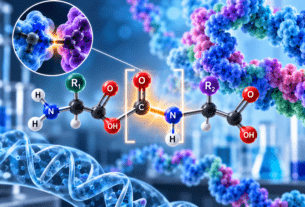
BPC-157, sometimes called body protection compound 157, is a synthetic peptide made of 15 amino acids and described as related to a sequence found in a gastric juice protein. That answers two common search questions: “what is BPC 157” and “where does BPC 157 come from?” It is not extracted from a consumer food or a typical dietary supplement; it is synthesized for research or investigational use. Reviews describe promising animal and laboratory findings, but they also emphasize that human studies are scarce and not enough to prove routine clinical benefit. (pmc.ncbi.nlm.nih.gov)
Search engines also surface confusing phrases like “what is box 157” or “what is bpc 159.” In most cases, “box 157” appears to be a typo for BPC-157, while “BPC 159” is not the commonly discussed peptide in this category. If you are researching the topic, use the correct term, bpc 157 peptide, and look for sources that clearly distinguish animal research, early human reports, and regulatory status.
Does BPC 157 really work?
The most accurate answer is: BPC-157 has shown biological activity in preclinical research, but there is not enough high-quality human evidence to say it reliably works for injury recovery, pain, gut healing, or other claimed uses. A sports medicine systematic review found that the evidence base is dominated by animal studies, with very limited human data, including small reports rather than large, controlled trials. That makes “bpc 157 peptide before and after” photos or testimonials weak evidence because they cannot separate the peptide from time, rehab, placebo effects, other treatments, or natural healing. (pmc.ncbi.nlm.nih.gov)
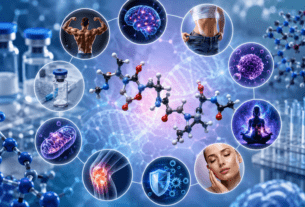
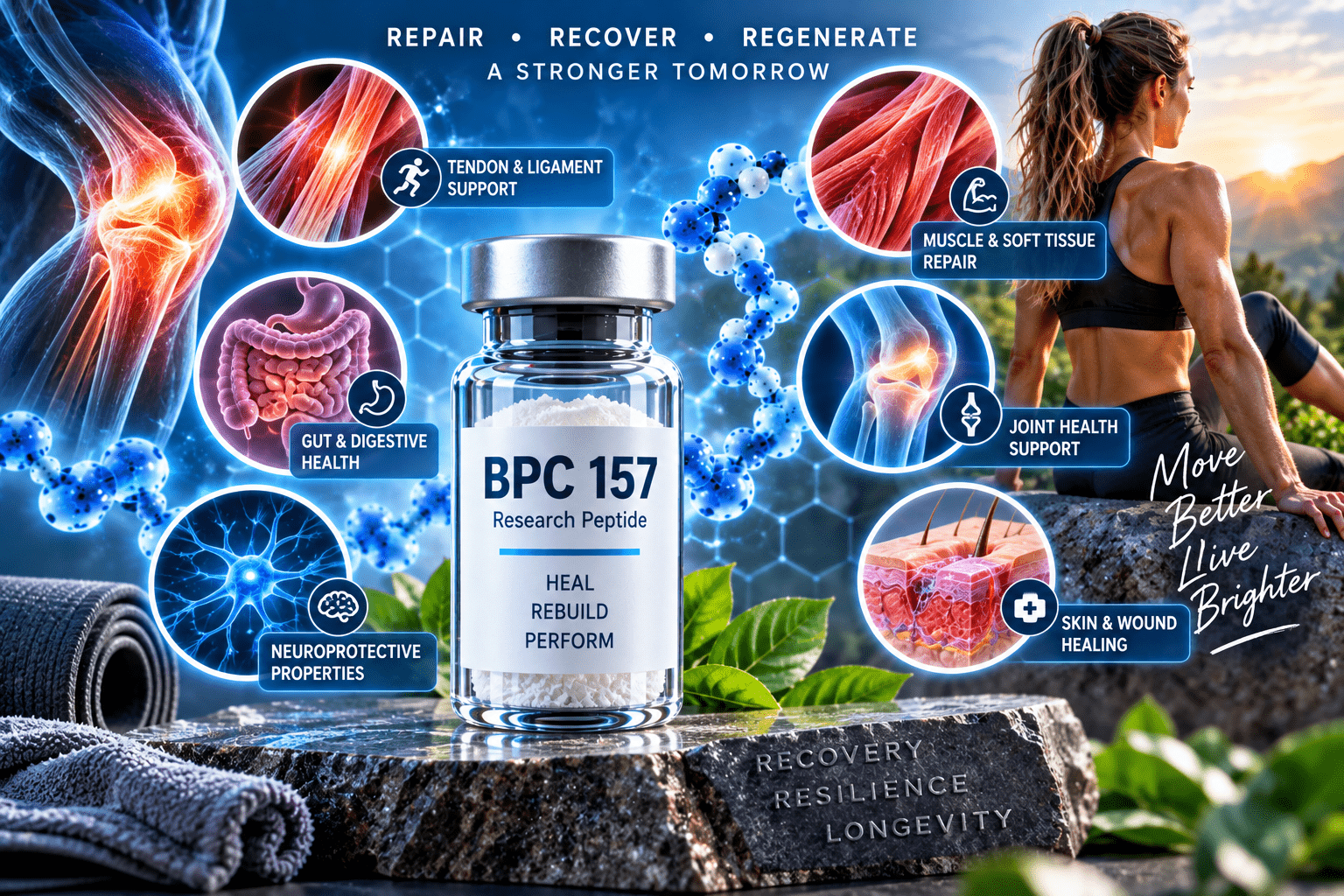
The claimed bpc 157 peptide benefits usually center on:
- Soft-tissue recovery: Online discussions often mention tendons, ligaments, muscles, and joints, but human proof is limited.
- Gut support: The peptide’s origin story is tied to gastric proteins, yet clinical evidence for digestive conditions remains insufficient.
- Inflammation and discomfort: Some users search for phrases like “soothe bpc 157,” but symptom relief claims should be treated cautiously.
- Post-workout recovery: Athletes should be especially careful because nonapproved substances can create health, eligibility, and anti-doping concerns.
So, is BPC 157 legit? As a research topic, yes, it is real and studied. As a proven therapy for routine consumer use, the evidence has not caught up with the marketing.
What does BPC 157 do to your body?
Researchers have explored possible effects on tissue repair pathways, blood vessel formation, inflammation signaling, and gastrointestinal protection, mostly in animal or cell models. Those mechanisms are interesting, but mechanisms do not automatically translate into predictable human outcomes. In practical terms, “what does BPC 157 do to your body” cannot be answered with the same confidence as an FDA-approved medication that has completed formal clinical testing for a specific condition.
Route of use also matters. People search for “peptide 157 injection,” “bpc 157 peptide injection,” pills, tablets, and capsules, but route-specific absorption and dosing questions remain part of the research gap. A recent translational review highlighted the need for formal human pharmacokinetic and route-specific studies before confident clinical conclusions can be made. (pmc.ncbi.nlm.nih.gov)
Are BPC 157 pills effective?
Questions such as “are bpc 157 pills effective,” “does bpc 157 capsules work,” and “does bpc 157 tablets work” are common because oral products feel more familiar than injections. However, effectiveness depends on formulation, stability, absorption, dose, and whether the product contains what the label claims. Without strong human trials and regulated product standards, there is no reliable way to say that pills, tablets, or capsules consistently produce the advertised results.
The same caution applies to injections. An injection may bypass some digestive breakdown, but that does not prove safety, purity, correct dosing, or benefit. In the US, injectable peptide products purchased outside regulated medical channels may pose additional risks related to sterility, contamination, mislabeling, and improper handling.
Safety, side effects, and regulatory status in the US
Anyone asking “is BPC 157 good for you,” “should I take BPC 157,” or “is BPC 157 worth it” should start with the evidence and regulatory context. FDA materials state that BPC-157-related bulk drug substances are not components of FDA-approved drugs, and FDA compounding reviews have treated BPC-157 as a substance requiring safety evaluation rather than an accepted mainstream therapy. (fda.gov)
Reported peptide 157 side effects are difficult to summarize because controlled human safety data are limited. Online discussions may mention nausea, injection-site irritation, headaches, or other nonspecific reactions, but anecdotal reports do not establish true rates or risk factors. Searches for “bpc 157 side effects men” are also hard to answer confidently because sex-specific safety data are not well established in robust human trials.
Athletes have another issue: WADA’s 2026 Prohibited List includes BPC-157 under non-approved substances prohibited at all times. Competitive athletes in the US should not assume that availability online means sport eligibility or anti-doping safety. (wada-ama.org)
How to interpret “for sale” searches without getting misled
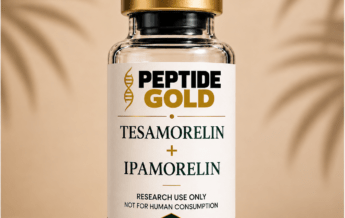
Search phrases like “bpc 157 peptide for sale,” “bpc 157 for sale near me,” “where to get bpc 157 peptide,” “how to get bpc 157 peptide,” “best place to buy bpc 157,” “best place to order bpc 157,” and “bpc 157 peptide best brand” often lead to aggressive marketing. A neutral way to evaluate those pages is to look for what they do not prove.
Use this checklist before trusting any claim:
- Does the seller clearly state whether the product is for research only or for human use?
- Are claims limited, or does the page promise healing, pain relief, or cure-like outcomes?
- Is there transparent third-party testing for identity, purity, and contaminants?
- Does the company avoid giving medical dosing instructions to consumers?
- Is a licensed US healthcare professional involved when health decisions are being discussed?
- Are regulatory and anti-doping limitations acknowledged rather than hidden?
No article can identify the “best brand” without current, verifiable testing and legal review. Be skeptical of any source that treats BPC-157 like a proven supplement while ignoring FDA status and the limited clinical evidence.
BPC 157 para que sirve: a plain-English answer
“BPC 157 para que sirve” means “what is BPC 157 used for?” Online, it is commonly discussed for recovery, joint or tendon discomfort, gut support, and general healing. Evidence-based wording matters: those are areas of interest and marketing claims, not established FDA-approved uses.
For US readers, the key takeaway is balance. BPC-157 is an active research subject with intriguing early findings, but current human evidence is limited, product quality can vary, and regulatory concerns are real. If you are considering it for a health concern, the safest next step is not a shopping search—it is a conversation with a qualified healthcare professional who can review your situation, risks, medications, and evidence-based alternatives.