

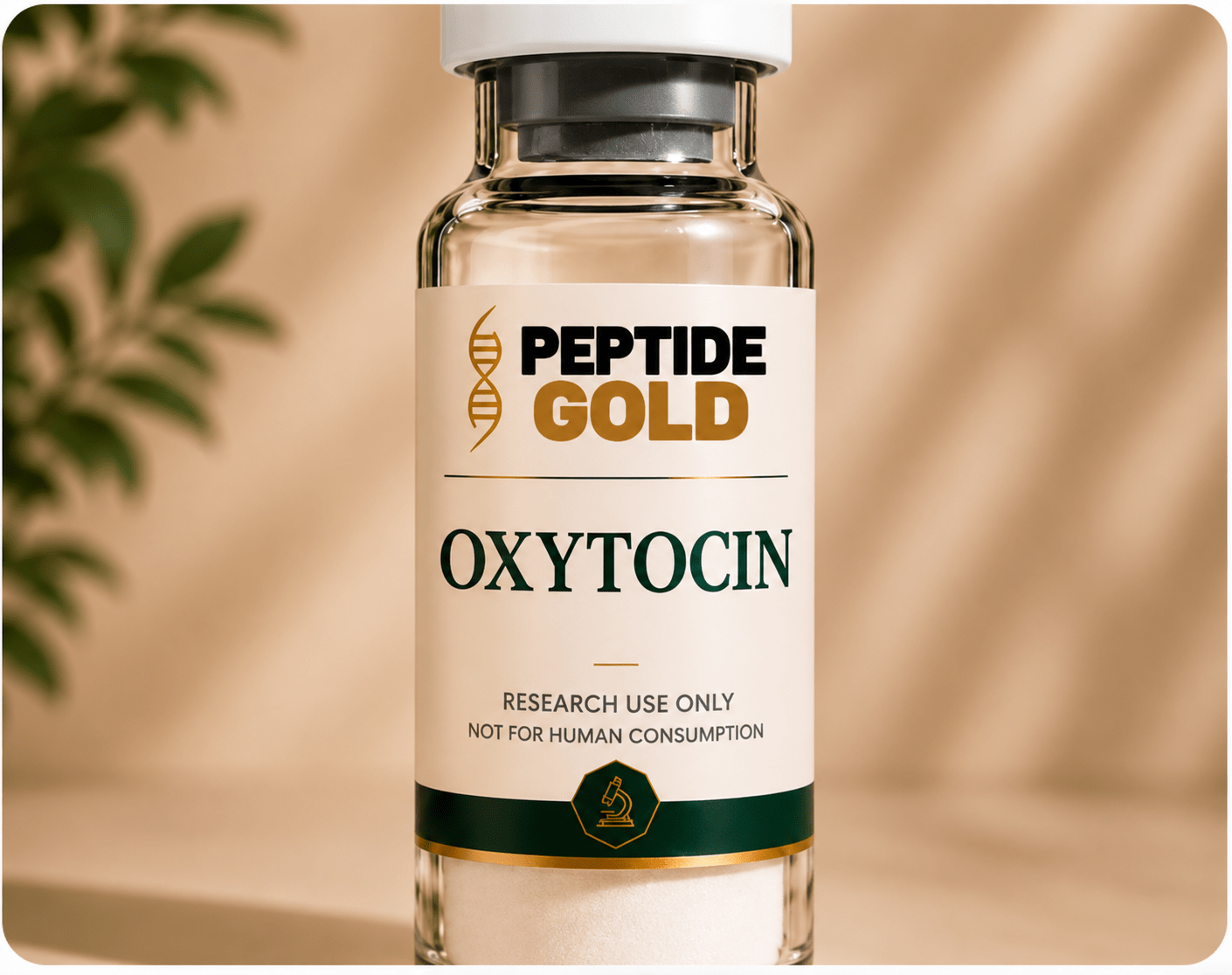
Oxytocin

Oxytocin: A Comprehensive Guide to Uses, Research, Dosing, Forms, and Potential Benefits

Oxytocin is a naturally occurring peptide hormone and neuropeptide that plays important roles in childbirth, breastfeeding, social bonding, sexual behavior, stress regulation, appetite, and emotional processing. Unlike many experimental peptides, oxytocin is already an established prescription medication. Synthetic oxytocin has been used medically for decades, primarily in obstetrics to: Induce labor when medically appropriate Strengthen […]

Continue Reading
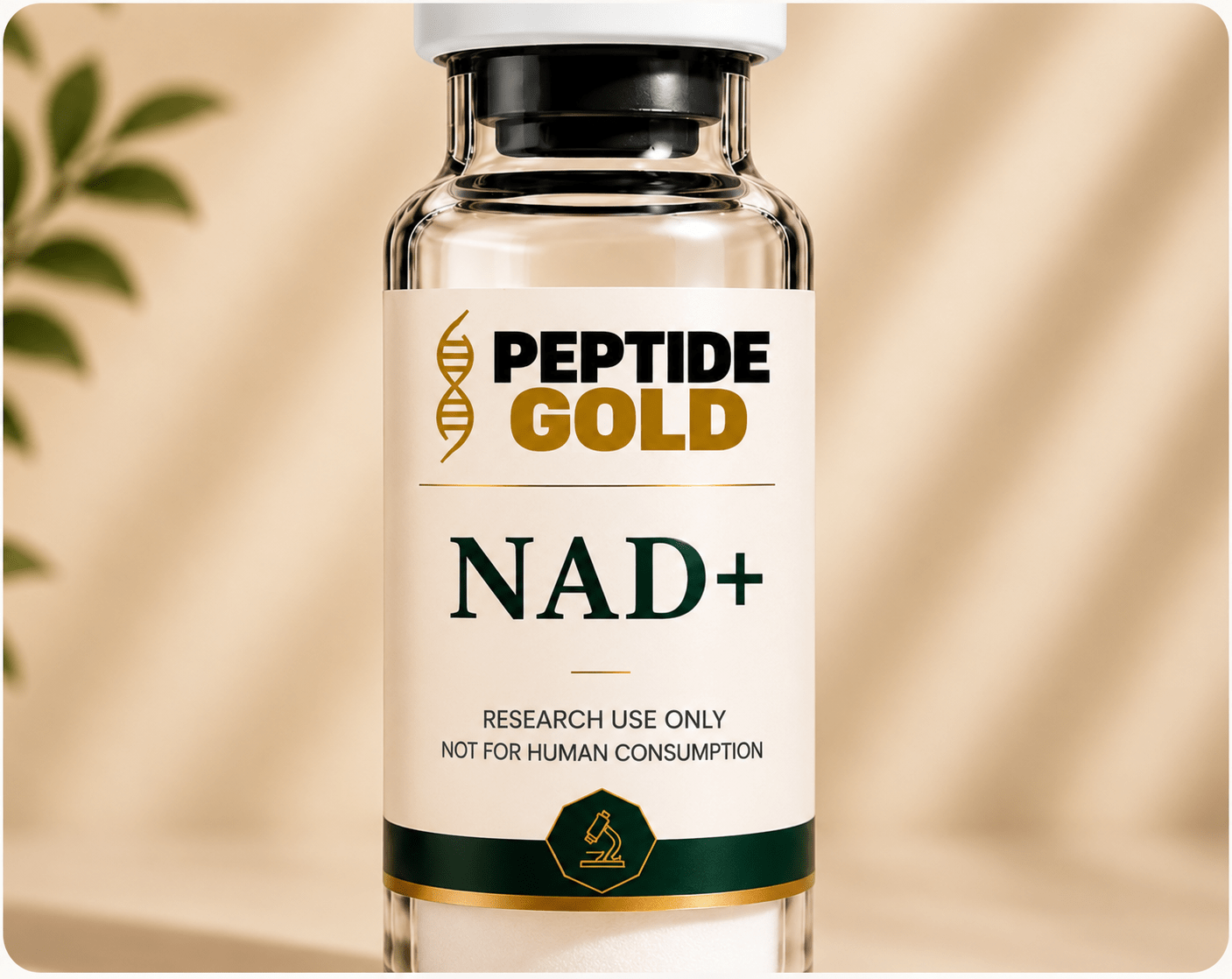
NAD+

NAD+: A Comprehensive Guide to Uses, Research, Dosing, Forms, and Potential Benefits

NAD+, short for nicotinamide adenine dinucleotide, is one of the most important molecules involved in cellular energy production, metabolism, DNA repair, mitochondrial function, and cellular stress responses. Although NAD peptide is frequently grouped with peptides in longevity, wellness, and metabolic-health discussions, it is not actually a peptide. It is a naturally occurring coenzyme present in […]

Continue Reading
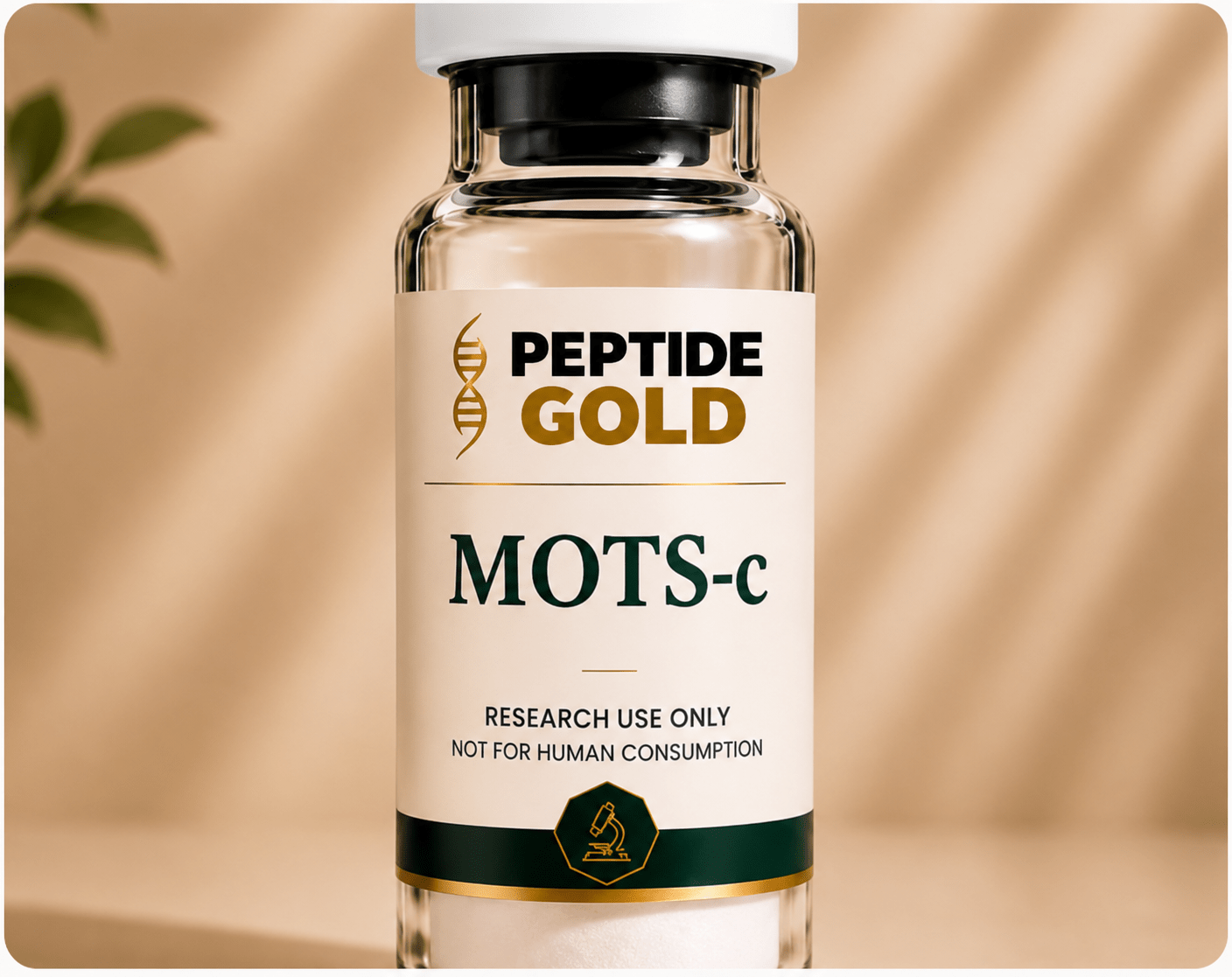
MOTS-c

MOTS-c: A Comprehensive Guide to Uses, Research, Dosing, Forms, and Potential Benefits

MOTS-c is an experimental peptide that has generated growing interest in research involving mitochondrial function, insulin sensitivity, glucose metabolism, exercise performance, obesity, metabolic health, inflammation, and aging. What makes MOTS-c especially unusual is where it comes from. Most peptides in the body are encoded by genes located in the cell nucleus. MOTS-c is different because […]

Continue Reading
Melanotan II Peptide

Melanotan II: A Comprehensive Guide to Uses, Research, Dosing, Forms, and Potential Benefits

Melanotan II, often shortened to MT-II, is a synthetic peptide best known for its effects on skin pigmentation, tanning, sexual function, appetite, and melanocortin signaling. It was originally developed as an analogue of alpha-melanocyte-stimulating hormone, or α-MSH, a naturally occurring peptide involved in pigmentation and several other physiological functions. Melanotan II is especially unusual because […]

Continue Reading
L-Glutathione Peptide

L-Glutathione: A Comprehensive Guide to Uses, Research, Dosing, Forms, and Potential Benefits

L-glutathione, usually shortened simply to glutathione or GSH, is one of the most important antioxidant compounds naturally produced by the human body. Unlike many experimental peptides, glutathione is not a novel laboratory molecule. It is a naturally occurring tripeptide, meaning it is composed of three amino acids: Glutamate – Cysteine – Glycine Glutathione benefits is […]

Continue Reading
KLOW peptide

KLOW Peptide Blend: A Comprehensive Guide to Components, Uses, Research, Dosing Information, Forms, and Potential Benefits

KLOW peptide is a multi-peptide research blend that has attracted increasing attention because it combines four compounds associated with inflammation, tissue repair, collagen remodeling, wound healing, gastrointestinal biology, skin health, and connective-tissue recovery. KLOW peptide is not a single peptide. Instead, the name generally refers to a combination of: KPV GHK-Cu BPC-157 and TB-500. The […]

Continue Reading
Peptide Mixing/Dosing Calculator

Peptide Mixing/Dosing Calculator

Our Peptide Dosage Calculator is designed to make peptide reconstitution and dosing calculations simple, fast, and easy to understand. Enter your peptide vial amount, the volume of bacteriostatic water used for reconstitution, and your desired dose to calculate the corresponding volume and syringe units. Whether you’re working with different vial strengths or concentrations, the calculator […]

Continue Reading
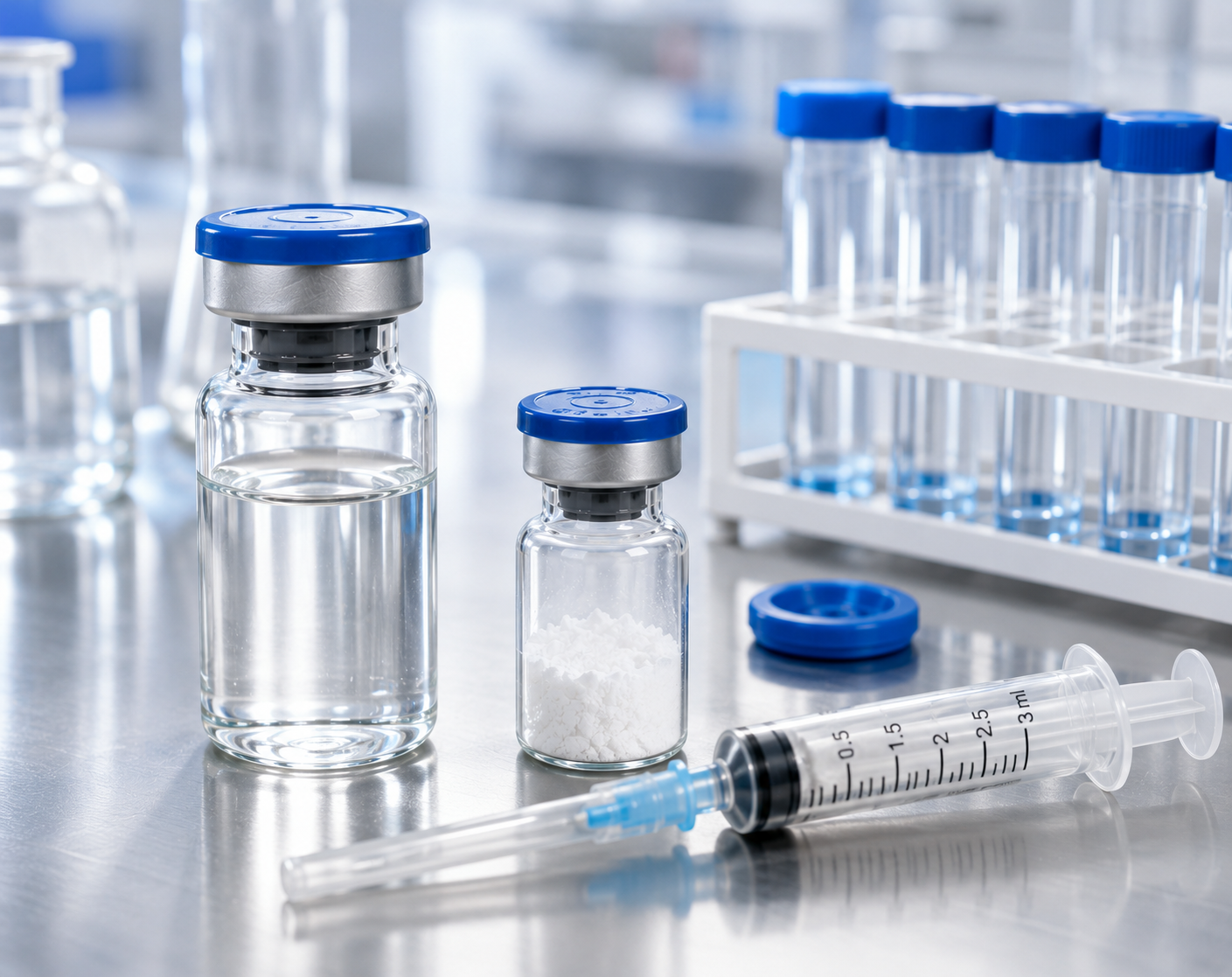
Sterile Laboratory Vials and Syringe

Bacteriostatic Water for Peptides: A Lab Protocol Guide

When working with lyophilized peptides in a laboratory setting, researchers frequently encounter another product alongside the peptide vial: bacteriostatic water. Bac water is a sterile preparation of water containing a small amount of antimicrobial preservative. In the United States, commercially manufactured Bacteriostatic Water for Injection typically contains 0.9% benzyl alcohol as the bacteriostatic preservative. DailyMed […]

Continue Reading
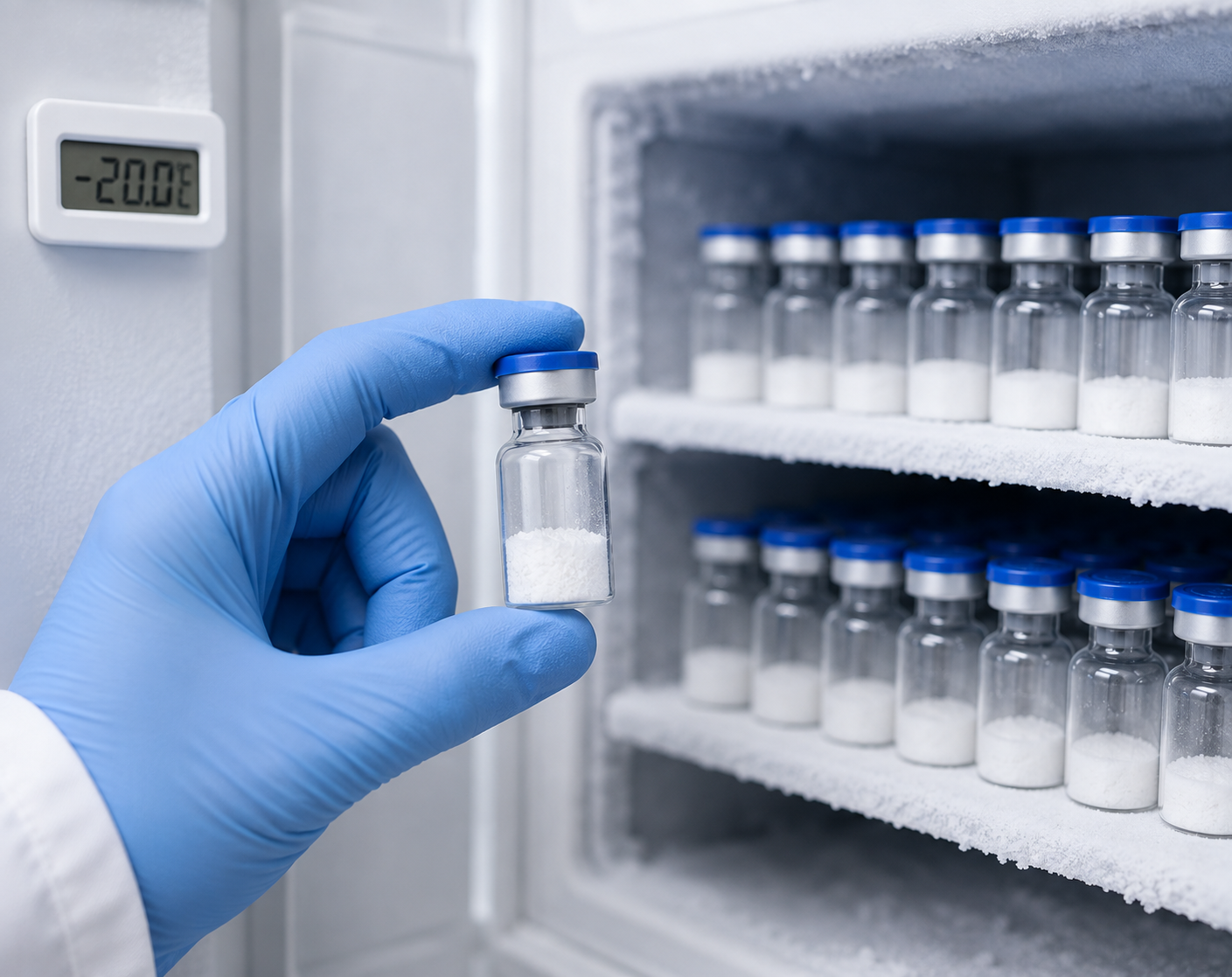
Frosty Laboratory Vial Storage

Lyophilized Peptide Storage: Best Conditions and Shelf Life

One of the primary reasons peptides are commonly supplied in lyophilized, or freeze-dried, form is stability. Removing most of the water from a peptide formulation can dramatically slow many of the chemical reactions that contribute to degradation. But lyophilization does not make a peptide indestructible. Temperature, moisture, oxygen, light, packaging, repeated temperature changes, and the […]

Continue Reading